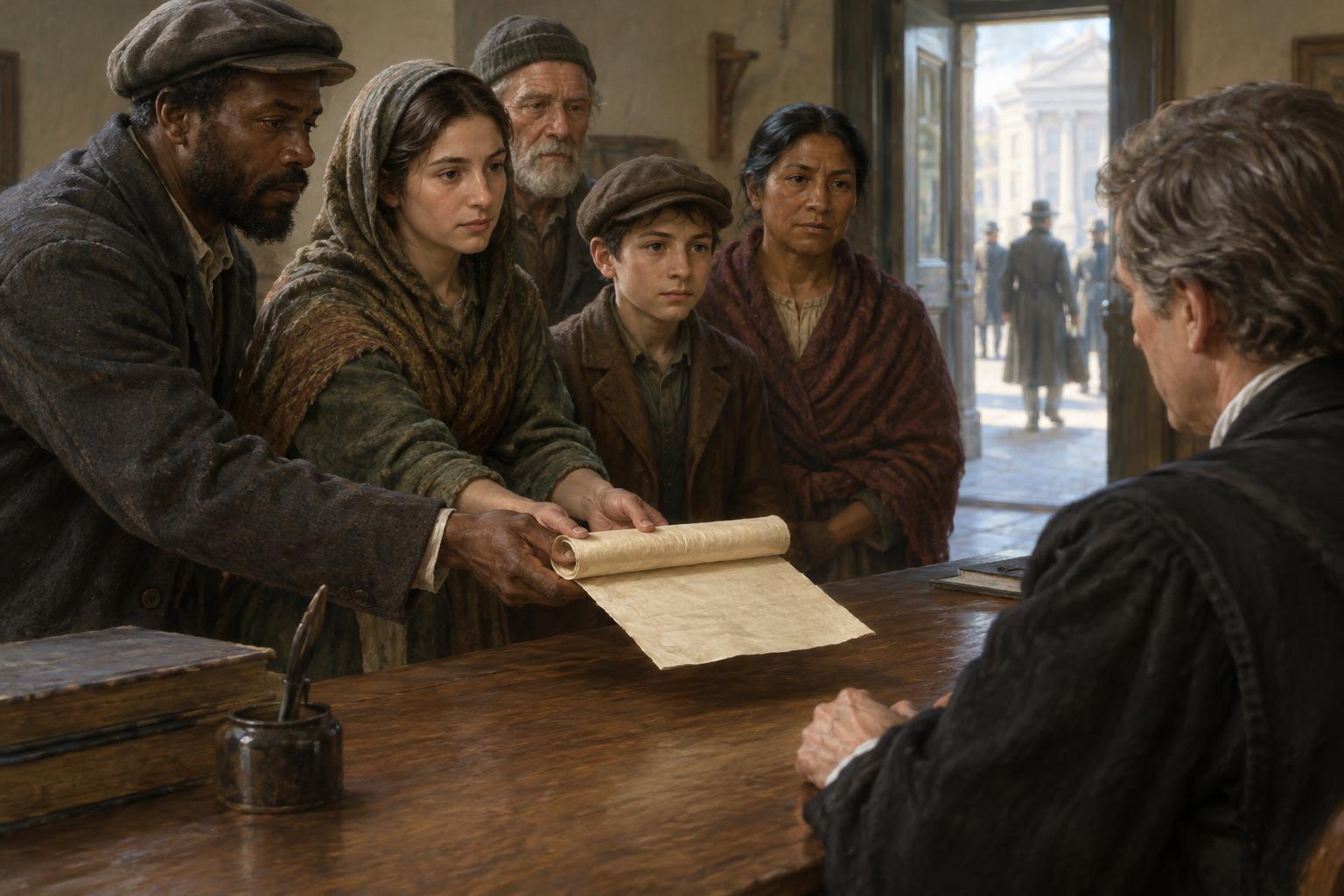
Political HistoryPetitions have long given people a way to present requests to authorities. Their history shows how political participation can extend beyond elections—and why being heard does not always mean getting a response.
Read article · 4 min↗
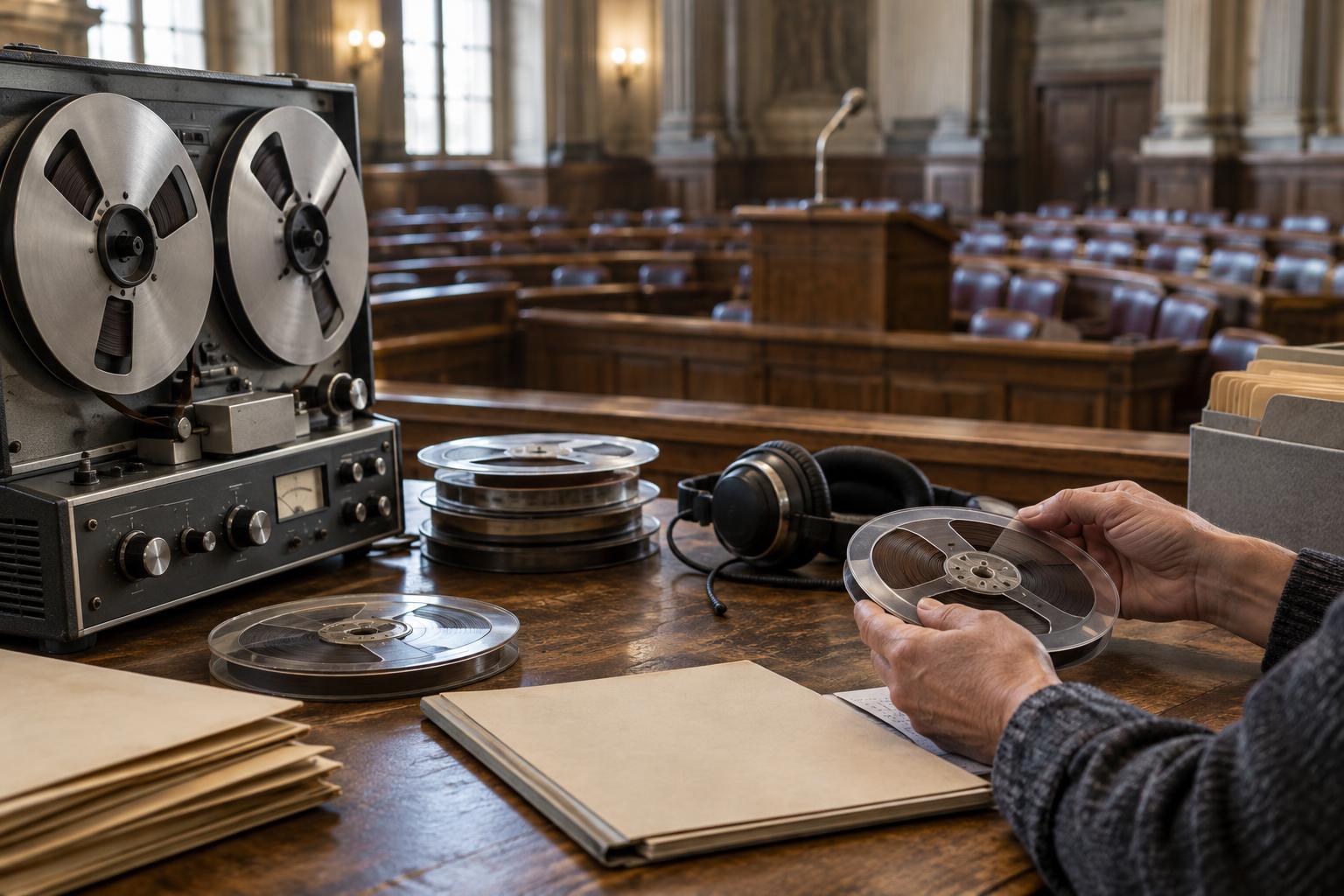
Political HistoryA recording can preserve a political voice, but it cannot capture everything about the event. Learn how to place speeches, interviews and broadcasts in context—and what their silences and edits can conceal.
Read article · 3 min↗
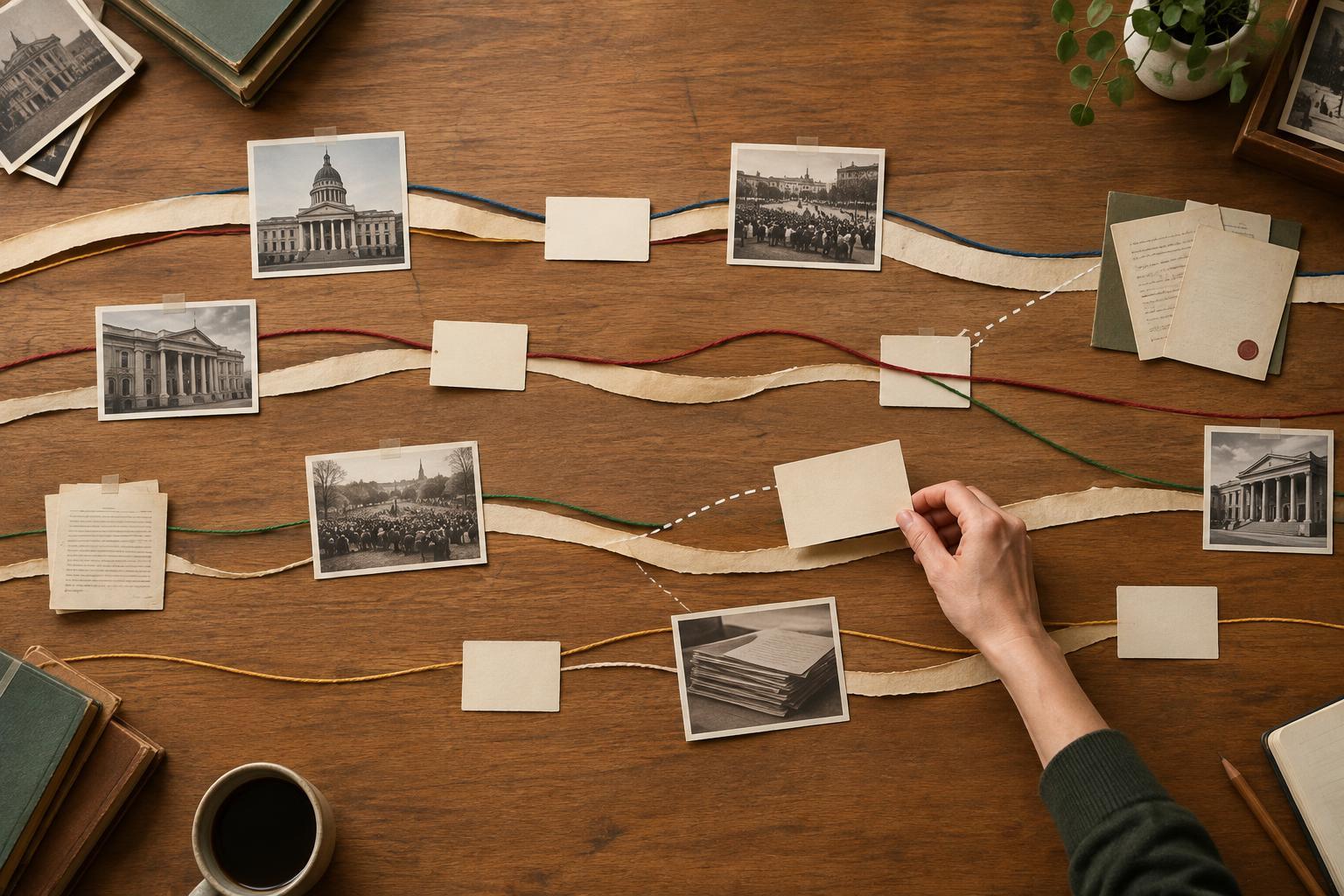
Political HistoryA political timeline can do more than list dates. By separating events from explanations, tracking several kinds of change, and marking uncertainty, it can help readers see how decisions, institutions, and public pressures interact over time.
Read article · 3 min↗
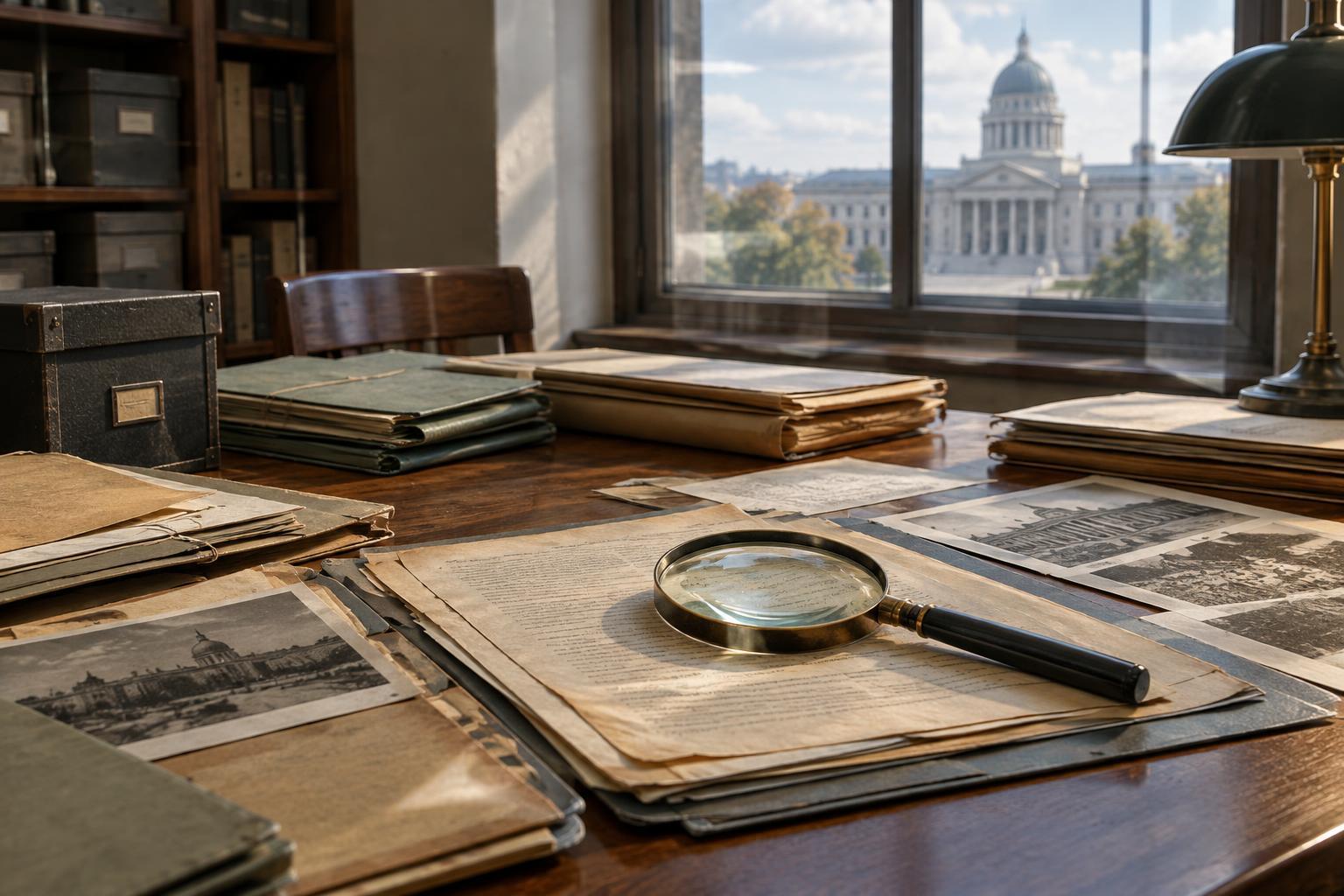
Political HistoryPast political crises can help people think about present-day institutions, but they are easy to misread. This guide explains how hindsight, selective examples, loose analogies and incomplete sources can distort the lessons we draw from political history.
Read article · 4 min↗
Political HistoryHistorical accounts can disagree even when they draw on some of the same evidence. Learn how to compare sources, identify what is actually in dispute, and reach a careful conclusion without assuming that every interpretation is equally strong.
Read article · 4 min↗
Political HistoryPrimary sources bring readers close to the decisions, arguments and experiences of an earlier time. Learn how to identify useful sources, read them in context and compare them without treating any single document as the whole story.
Read article · 4 min↗
Political HistoryInternational organizations did not arise from a single plan for world government. They developed as states sought ways to coordinate shared services, manage conflict and address problems that crossed borders. Their history helps explain both what these institutions can do and why their authority remains limited.
Read article · 4 min↗

Political HistoryWars have often changed what governments can do, how they raise resources and what people expect from public institutions. Understanding the connection requires looking beyond armies to taxation, administration, citizenship and the uneven effects of conflict.
Read article · 3 min↗

Political HistoryMunicipal governments do not have the same responsibilities everywhere. Their powers reflect centuries of bargaining over taxation, public services, representation and central control. Understanding that history helps explain why a city can make an independent decision in one country but needs higher-level approval in another.
Read article · 4 min↗
Political HistoryLabor movements did more than seek better pay and working conditions. Through unions, mutual aid groups, political organizing and public debate, workers helped broaden participation and put workplace risks on the policy agenda. Their influence varied across countries and periods, and their achievements were often contested.
Read article · 4 min↗
Political HistoryCitizenship has never had a single, fixed meaning. Across different societies, it has defined membership, rights and duties while also drawing boundaries around who could participate. Tracing those boundaries helps explain both the expansion and the limits of civic equality.
Read article · 4 min↗

Political HistoryRevolutions and reforms can both reshape political institutions, but they differ in how change is pursued and who has authority to carry it out. Comparing them helps explain why some demands lead to gradual changes in law while others challenge the political order itself.
Read article · 3 min↗
Political HistoryModern legislatures did not emerge from a single invention or follow one path. Councils that advised rulers, approved taxes or voiced local concerns gradually acquired new roles in some places, while revolutions and constitutional reforms created assemblies elsewhere. Understanding that varied history helps explain why legislatures differ today.
Read article · 4 min↗

Political HistoryFederalism gives national and regional governments distinct roles within one political system. Its history shows that the division of powers has served different purposes, from joining separate communities to limiting concentrated authority and governing diverse territories.
Read article · 3 min↗
Political HistoryThe nation-state did not emerge from a single treaty or follow one path. Its history involves changing ideas about sovereignty, growing administrative capacity, nationalism, empire and independence. Understanding those developments also helps explain why states and nations do not always fit neatly together.
Read article · 4 min↗
Political HistoryDecolonization changed who held political authority across much of the world, but it did not follow one path. This guide explains how empires governed, why independence movements differed, and what changed—and endured—when colonies became states.
Read article · 4 min↗
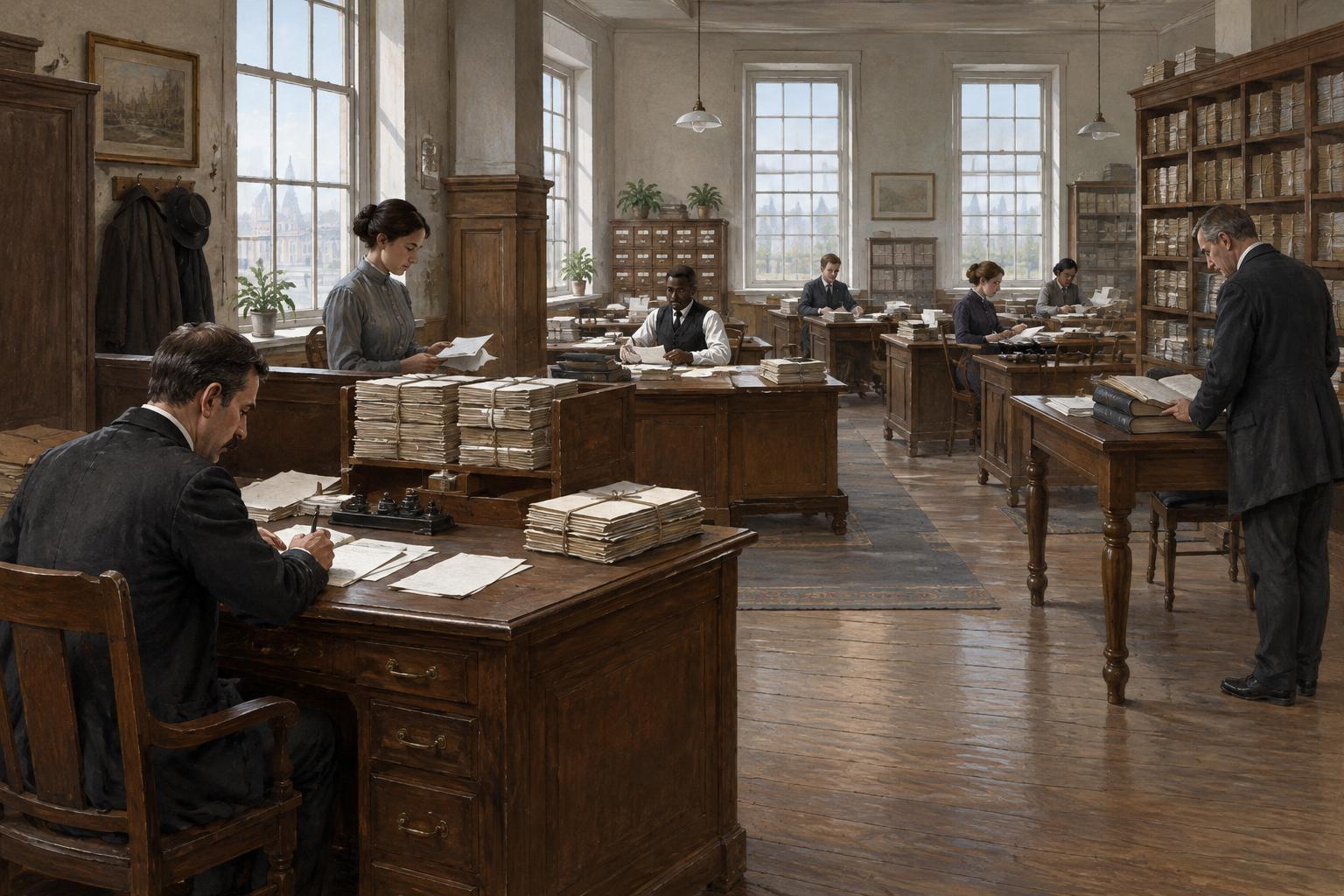
Political HistoryModern civil services did not emerge from a single reform. They developed as governments adapted older systems of clerks, appointed officials and local administrators to the growing demands of public administration.
Read article · 4 min↗
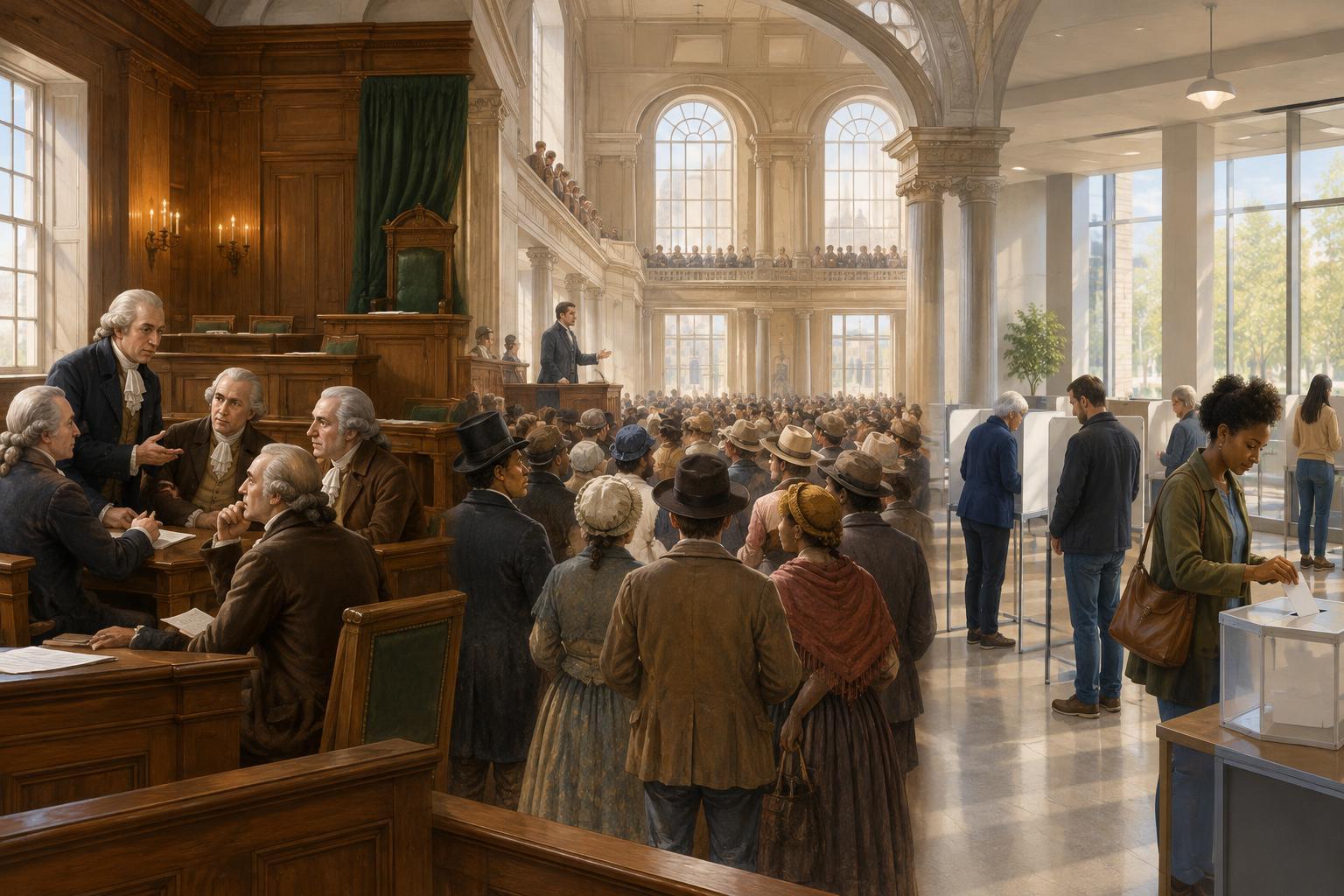
Political HistoryPolitical parties did not appear all at once. They developed from loose groups of lawmakers and supporters into organizations that recruit candidates, coordinate government and help voters make choices. Their roles have shifted as voting rights, communications and political institutions have changed.
Read article · 4 min↗
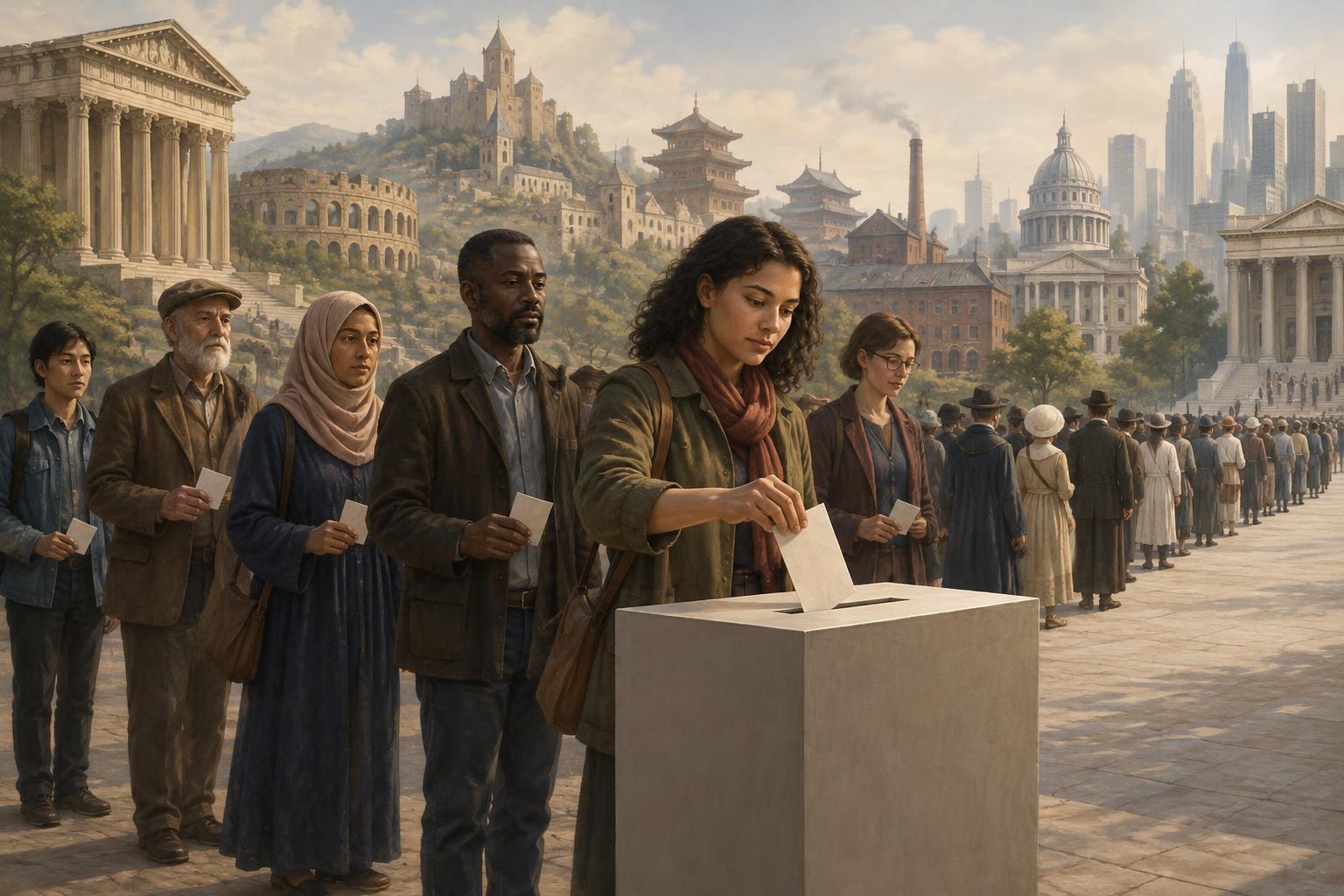
Political HistoryVoting rights did not expand everywhere in the same order or at the same pace. Comparing different countries shows how property, gender, race, colonial rule and election administration shaped who could vote—and why formal rights did not always mean equal access.
Read article · 4 min↗
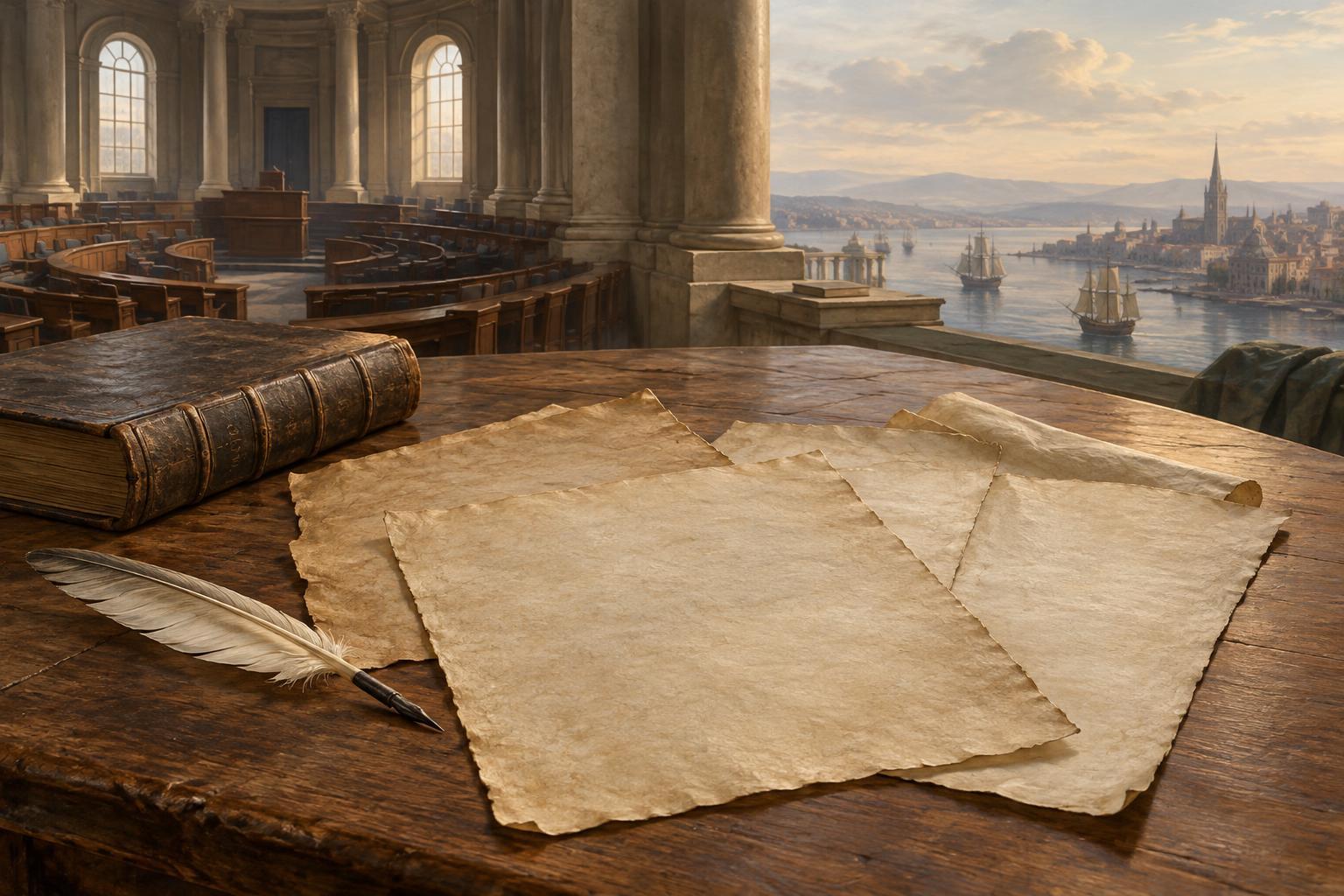
Political HistoryWritten constitutions did not appear all at once or follow a single model. They grew from efforts to define public authority, settle political disputes and make new arrangements durable. Their spread reflects revolution, independence, reform and sometimes coercion.
Read article · 4 min↗
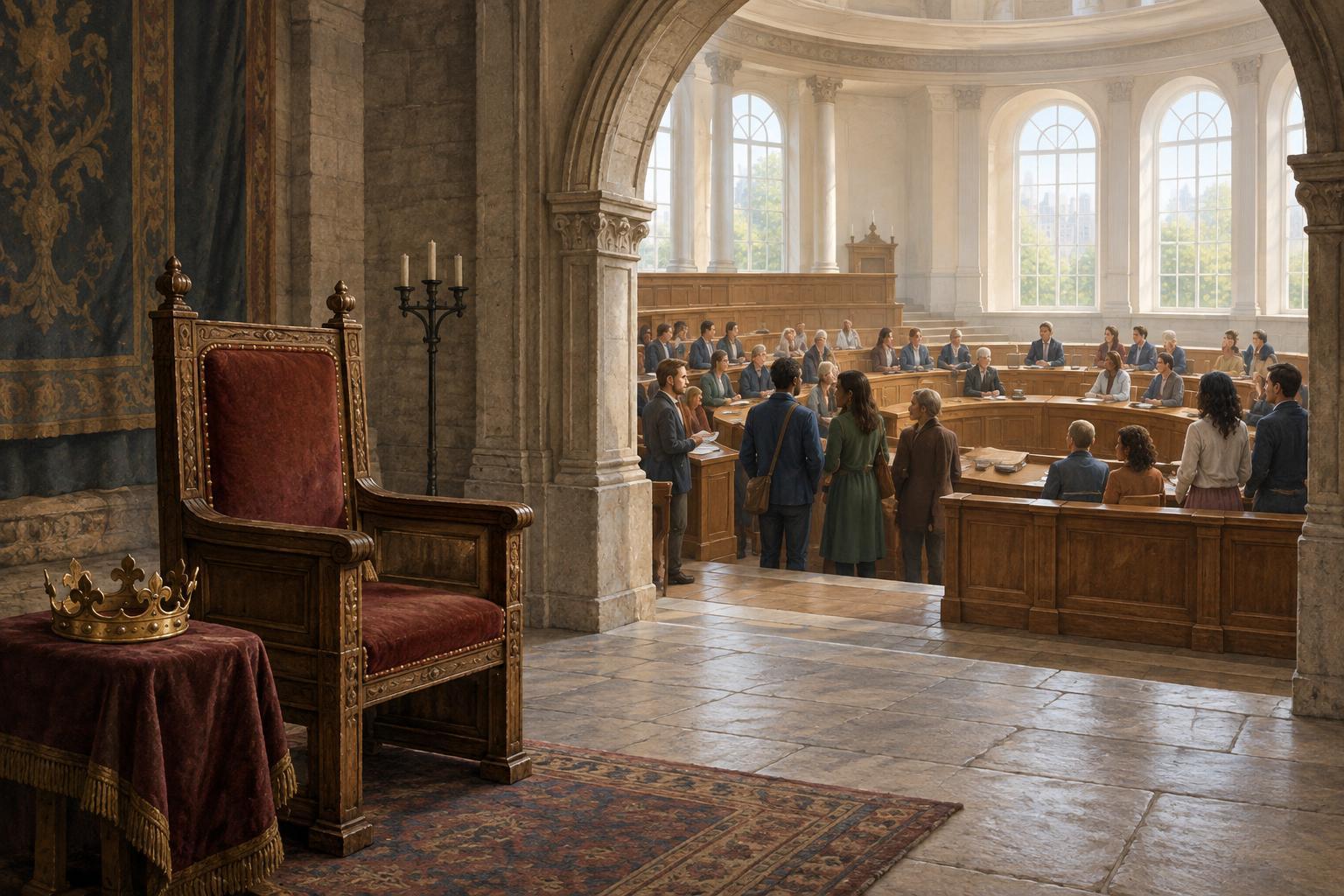
Political HistoryThe shift from monarchy to representative government has taken different forms. Constitutional limits, legislative reform, revolution, independence movements and gradual expansions of voting rights have all played a part. Understanding these paths helps explain why representative institutions differ across countries.
Read article · 3 min↗

Political HistoryPolitical history is often organized into eras, but the lines between them are choices rather than natural breaks. Learn how historians select turning points, why different places and questions produce different timelines, and how to read period labels critically.
Read article · 4 min↗