Start with the rules for belonging
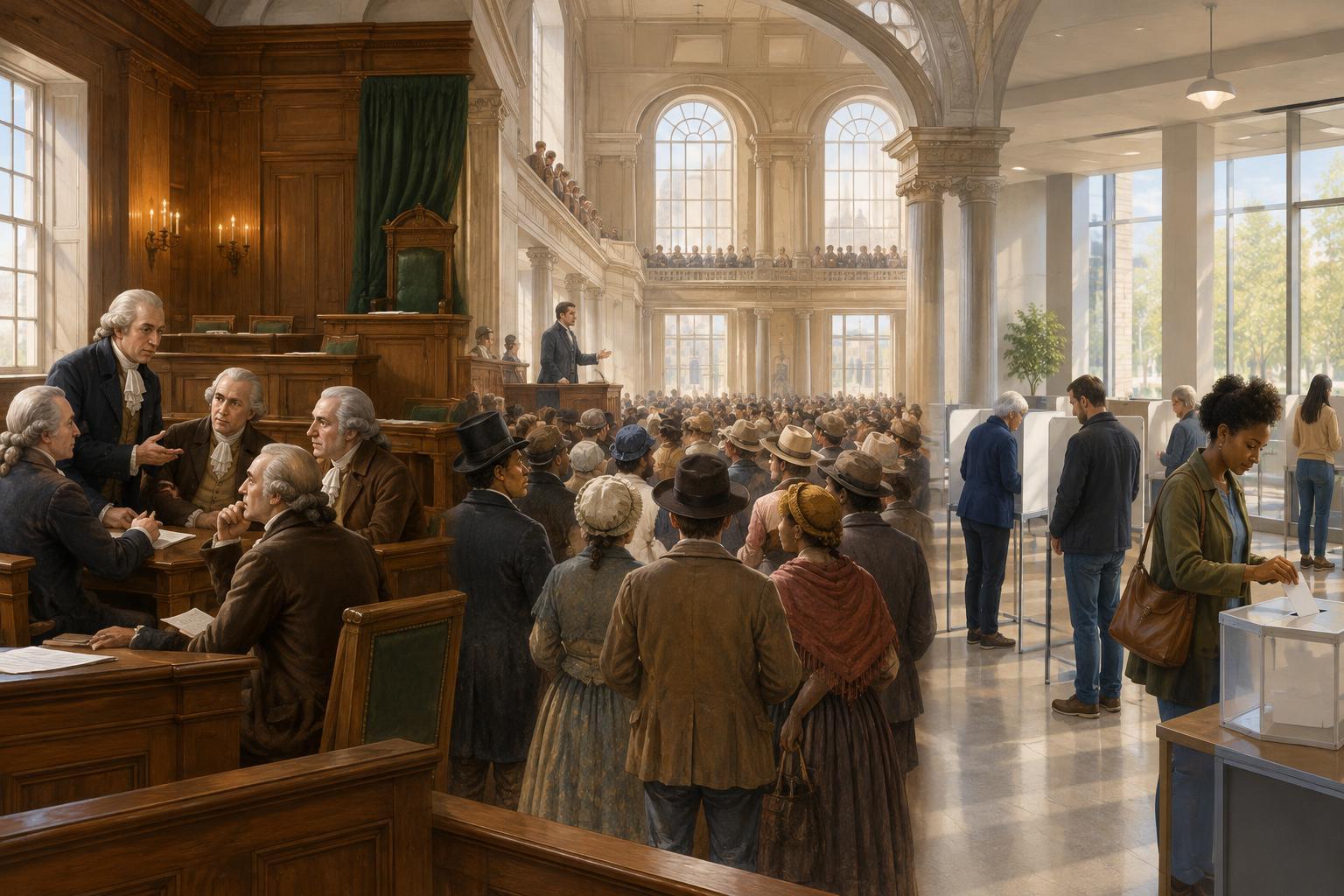
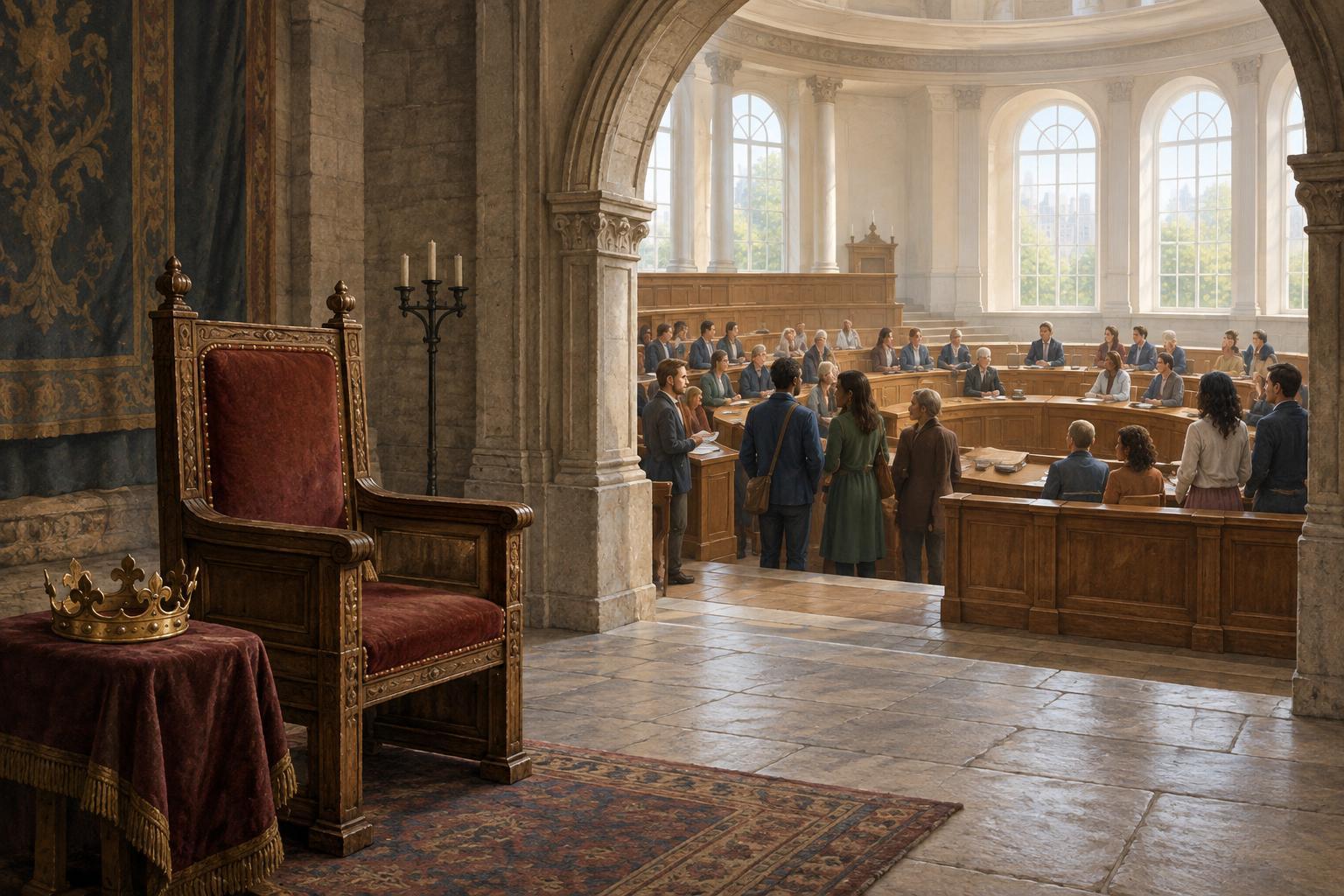
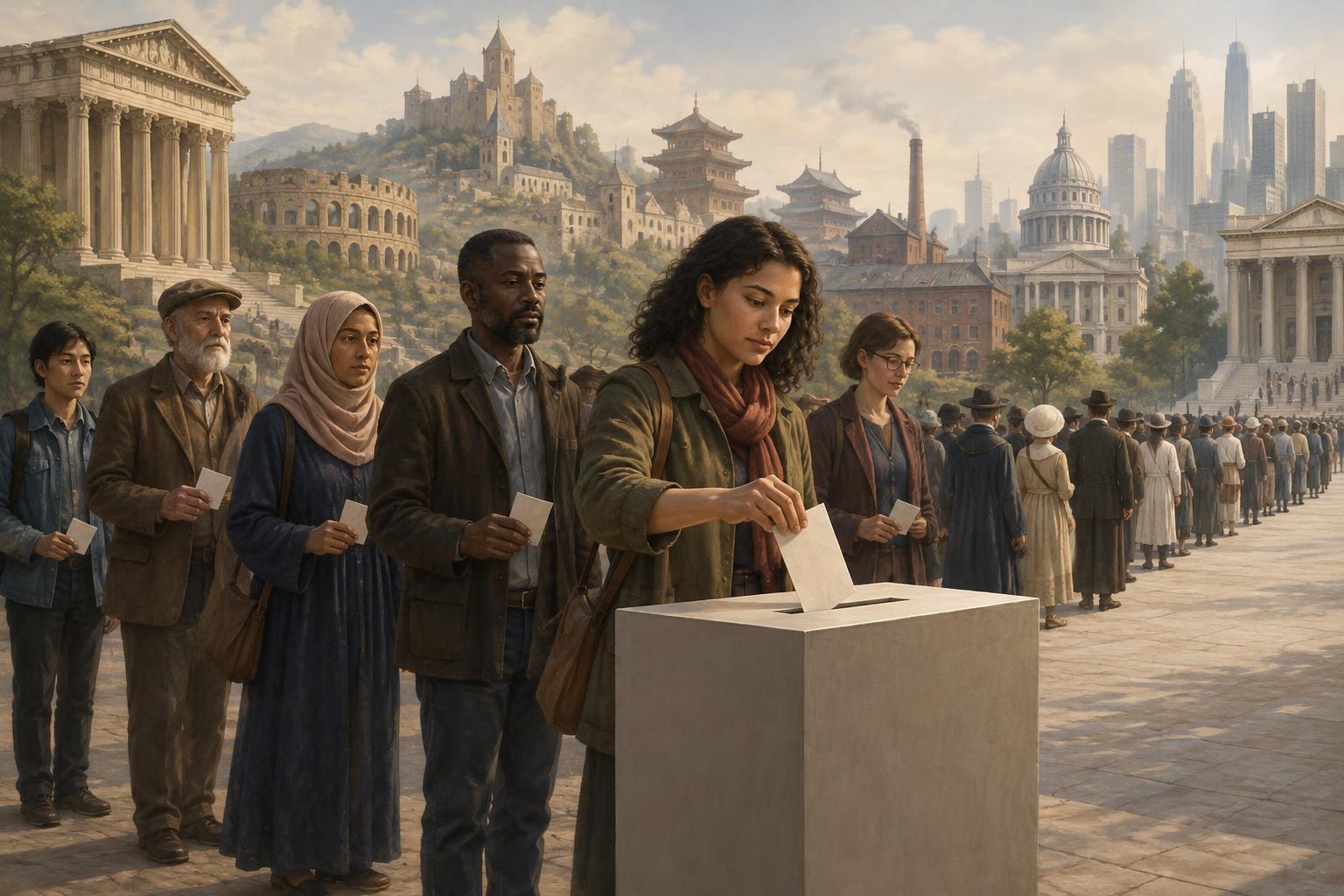
The history of voting rights is often told as a steady journey toward universal suffrage. That description captures an important long-term change, but it hides how uneven the journey was. Countries expanded the electorate at different times, in different sequences and sometimes only after earlier gains had been restricted. A useful comparison begins with two questions: Who was legally eligible to vote, and who could realistically cast a ballot?
In many earlier representative systems, voting was limited by property ownership, tax payments, religion, gender or social status. Some elections were indirect: eligible voters chose intermediaries rather than the officials who would govern. Rules could also vary within a country, especially where regional governments controlled elections. There is therefore no single starting point from which every democracy expanded.
Property and class restrictions changed unevenly
During the nineteenth century, many states loosened property or tax requirements. In Britain, successive parliamentary reforms enlarged the electorate, but they did so in stages rather than through one decision granting every adult a vote. Elsewhere, broader voting rights for men arrived earlier or under different political conditions. Even where laws used the phrase “universal male suffrage,” the word “universal” left out women and could conceal other exclusions.
These changes were not simply gifts from political leaders. Organized campaigns, demands for representation, party competition and disputes over who should count as a member of the political community all mattered. The details also mattered: an income threshold or residency rule might seem neutral while affecting social groups differently. Comparing countries means looking beyond the announcement of a reform to the people it actually included.
Women’s suffrage had more than one path
Campaigns for women’s voting rights crossed borders, but victories followed different paths. New Zealand granted women the vote in national elections in the late nineteenth century, while women in many other countries waited until the twentieth century. Some places first allowed women to vote in local elections or granted the right only to women who met property qualifications. The right to vote and the right to stand for office did not always arrive together.
War, social movements and changes in party politics sometimes helped bring reform onto the agenda, but none offers a complete explanation on its own. Nor did a law granting women the vote necessarily include every woman living under a state’s authority. Citizenship rules, colonial status and racial discrimination could still limit participation. Women’s suffrage is therefore both a distinct history and part of a broader history of unequal political membership.
Citizenship, race and empire shaped the electorate
Formal eligibility could be widened and then narrowed. In the United States, constitutional changes after the Civil War prohibited denial of voting rights on the basis of race, yet many Black citizens were subsequently prevented from voting through discriminatory laws and practices. Later federal legislation sought to confront those barriers. This history illustrates why a constitutional rule, an election law and a person’s experience at a polling place may tell different stories.
Empire raises another comparative question: whose rights are being counted when a country is described as democratic? People living in colonies often had little or no say in the governments that ruled them. Independence created opportunities to define a new electorate. India, for example, adopted adult voting rights for its national democracy despite substantial social and economic inequalities. Its path differed from systems that expanded a restricted electorate over many decades.
Legal rights and usable rights
A vote is most meaningful when eligible people can use it. Registration procedures, identification requirements, polling-place access, secrecy of the ballot and protection from intimidation can all affect participation. These arrangements are not identical across countries, and a rule’s impact depends on how it is designed and applied. Lowering the voting age, extending voting to citizens abroad or deciding whether people convicted of crimes may vote are further examples of choices that continue to define an electorate.
To compare voting-rights histories, trace three layers: the legal definition of an eligible voter, the administrative process for casting a ballot and the political conditions surrounding an election. Then ask which groups were excluded, who pressed for change and whether a reform endured. This approach avoids treating expansion as automatic progress while recognizing its significance: the rules governing who may vote have repeatedly changed through political conflict and collective action.