Before parties: factions and alliances
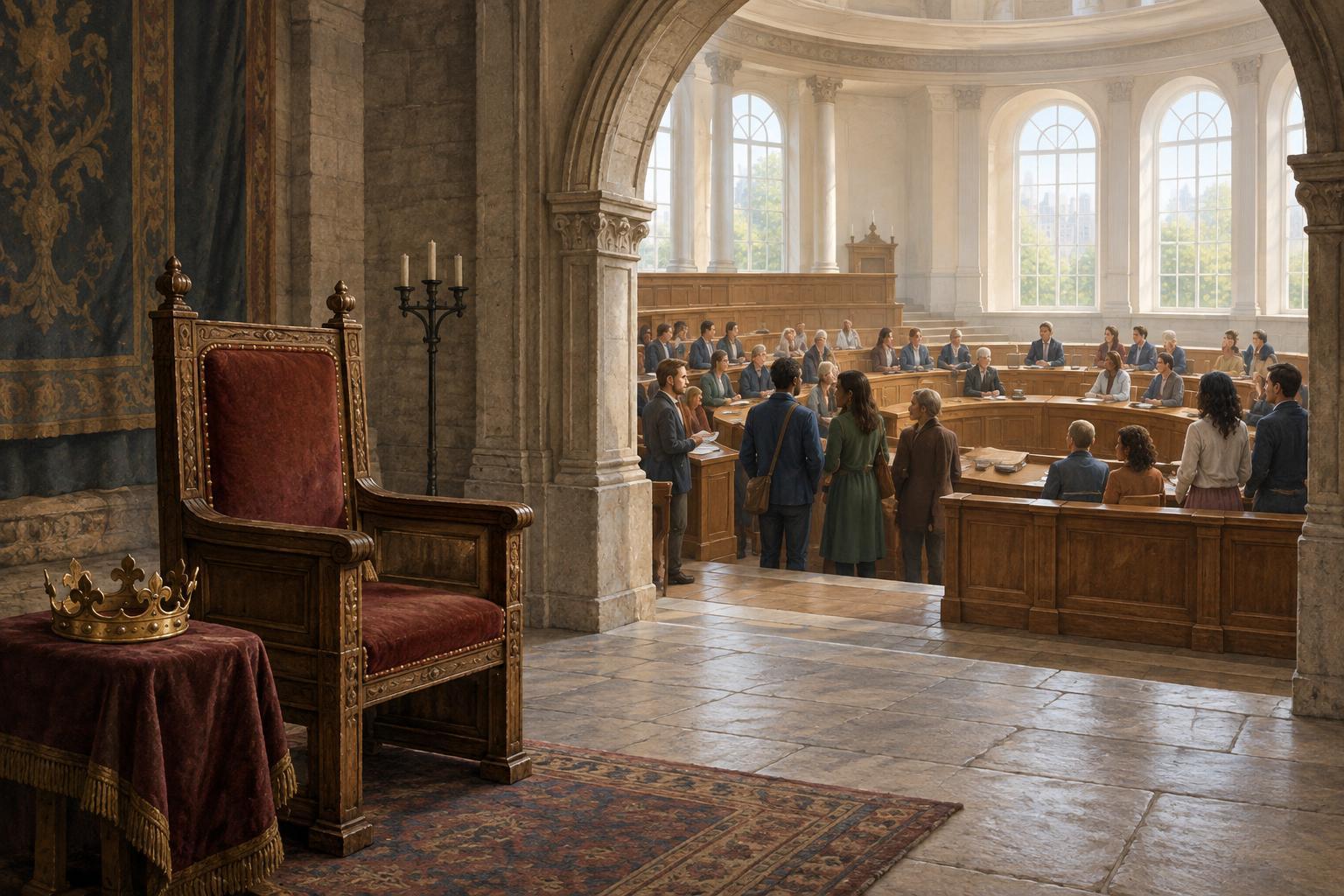
People have long formed alliances to pursue shared political goals. In assemblies, courts and other governing bodies, individuals cooperated over appointments, taxes, religion or the powers of rulers. These groups were often called factions rather than parties. They might have recognizable leaders and lasting disagreements, but they generally lacked the local branches, regular nominations and broad voter organizations associated with modern parties.
Early political thinkers frequently viewed factions with suspicion. A group loyal to its own interests could seem to threaten the wider public good. Yet governing also required people to build coalitions: a proposal needed supporters, and those supporters needed ways to coordinate. Political parties grew out of this tension between the desire for independent judgment and the practical need for organized cooperation.
From parliamentary groupings to electoral parties
In Britain, the Whigs and Tories illustrate a transition from recurring political alignments toward more durable party identities. Their positions and supporters changed over time, so neither name describes a single, unchanging set of beliefs. What mattered for party development was that recognizable groups could organize around leaders, contest political questions and seek support beyond a single debate.
The early United States offers another example. Despite widespread concern about faction, rival groups formed around competing views of national power, economic policy and foreign relations. Federalists and Democratic-Republicans coordinated elected officials and appealed to voters. These examples were not templates followed everywhere. Parties developed differently depending on who could vote, how representatives were chosen and how power was shared among institutions.
The rise of mass politics
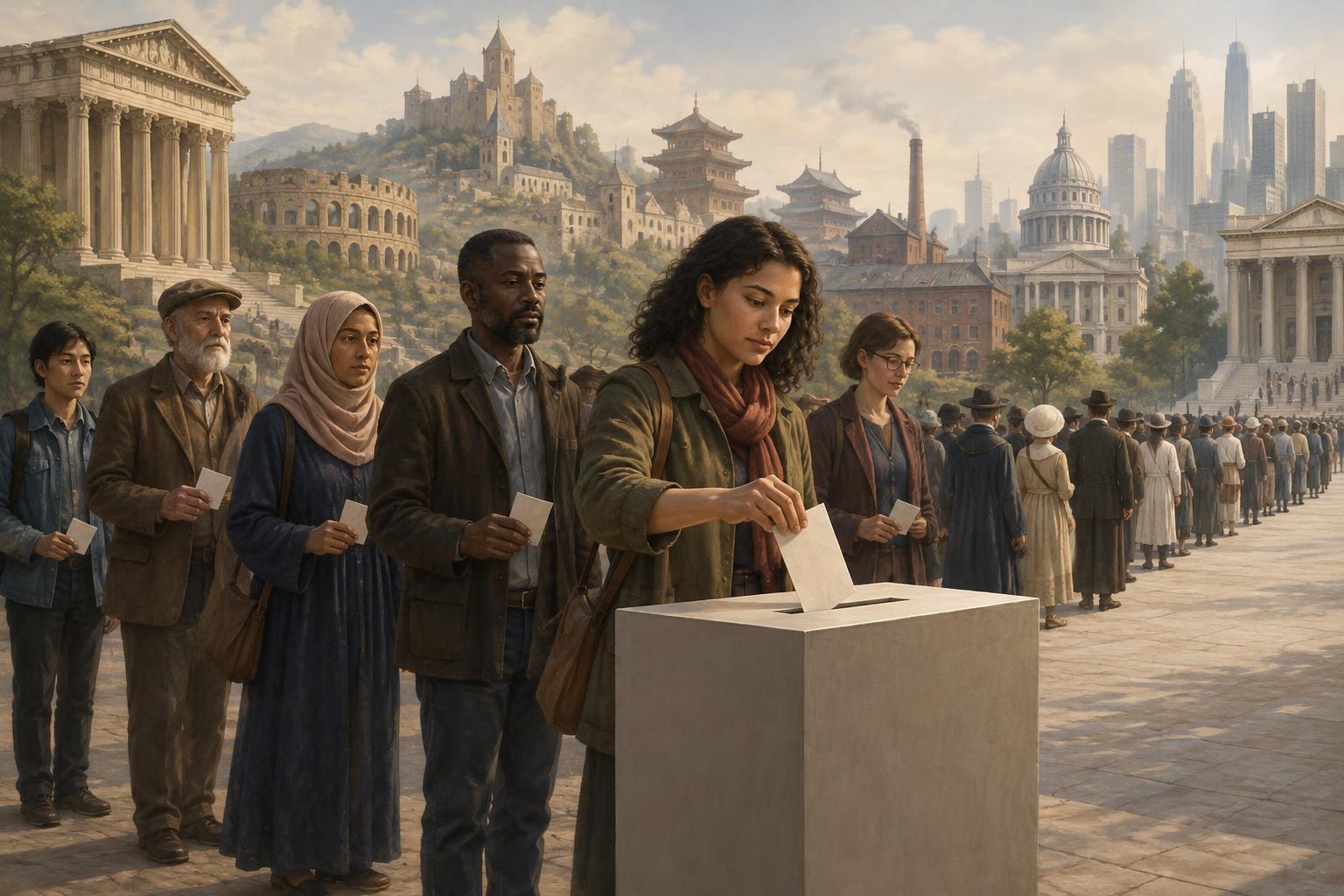
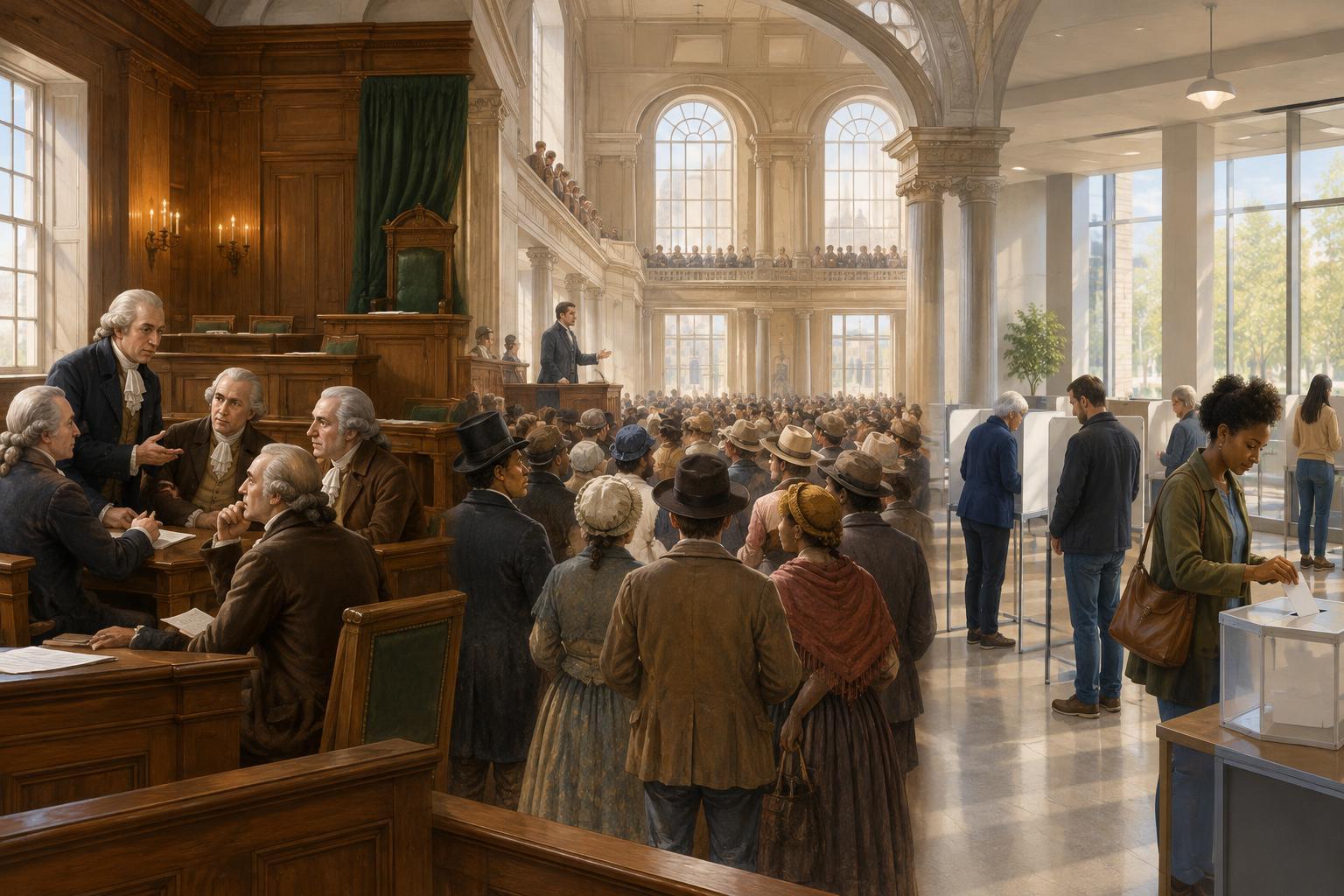
As voting rights expanded in many countries during the nineteenth and twentieth centuries, parties faced a new task: reaching and retaining larger electorates. Local organizers, public meetings, newspapers and membership groups helped connect national leaders with communities. In some places, parties linked themselves to labor organizations, religious communities or regional interests. Elsewhere, candidate-centered networks remained more important than formal membership.
This expansion changed what parties could do. They increasingly selected or endorsed candidates, raised resources, explained programs and encouraged people to vote. Party labels gave voters a useful clue about likely priorities when they could not examine every candidate or proposal in detail. The label was never a complete guide, however: members of the same party could disagree, and party priorities could change across places and generations.
What parties do inside government
Winning votes is only part of a party’s role. In legislatures, party groups can help decide which proposals receive attention, assemble support for laws and negotiate compromises. Where governments depend on legislative confidence, parties or coalitions of parties often provide the backing needed to form and maintain a government. In systems with separately elected executives, parties can coordinate across branches, though institutional rules may limit how closely they act together.
Parties also offer a way to assign political responsibility. Voters can judge a governing party’s broad record and consider an alternative at the next election. That connection is imperfect: coalition partners share decisions, individual representatives may depart from a party position, and economic or international conditions can constrain what governments achieve. Still, without organized groups, it can be harder to tell who supported a policy and what choices an opposition would make.
Why party roles keep changing
Political parties adapt when the relationship between leaders, members and voters changes. Broadcast media allowed leaders to address large audiences more directly; digital communication offers further ways to organize and speak without relying solely on local branches. These tools do not make parties unnecessary. Candidates still need to gain support, elected officials still need to coordinate, and voters still need ways to compare competing plans. But they can shift influence toward prominent individuals, campaign specialists or supporters who participate outside traditional membership structures.
The history of parties is therefore not a simple march from informal factions to permanent institutions. Some parties build deep community ties, while others depend more heavily on individual candidates or short-lived alliances. To understand a party in any time or place, ask three questions: who is allowed to participate in politics, how does the party organize that participation, and what powers can it exercise if it wins? The answers show why parties arose—and why their roles remain subject to change.