What came before the modern civil service?
Governments needed people to collect revenue, maintain records, carry out orders and settle routine matters long before the term “civil service” became common. Rulers relied on a changing mix of household staff, local authorities, appointed officers and clerks. Some positions required considerable expertise; others depended largely on family ties, political loyalty or the favor of a powerful patron.
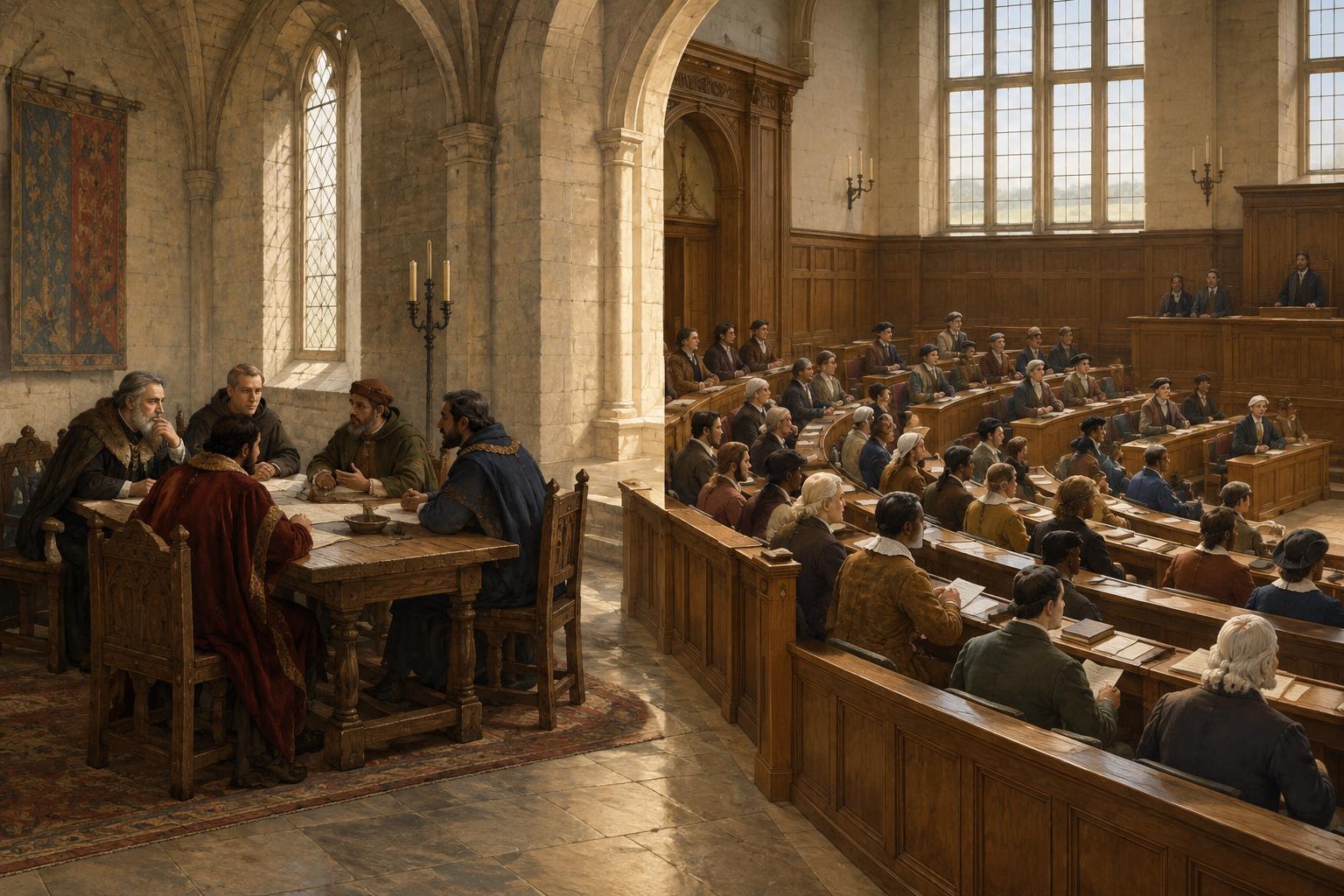
There was no single early model. Some states built extensive administrative systems, while others delegated much of their work to regional elites or officeholders with considerable independence. In imperial China, examinations became an important route into official service, although access to education and office was unequal. Elsewhere, governments often combined appointment by rulers with inherited positions, purchased offices or local influence. These examples show that administrative skill mattered before modern civil services, even when selection and accountability worked differently.
Why did governments seek a more regular workforce?
As states took on more tasks, they needed officials who could apply rules across many places and preserve records from one administration to the next. Managing public finances, infrastructure and expanding regulatory duties became difficult when offices were treated mainly as personal rewards. Frequent turnover could also disrupt work that required training and institutional memory.
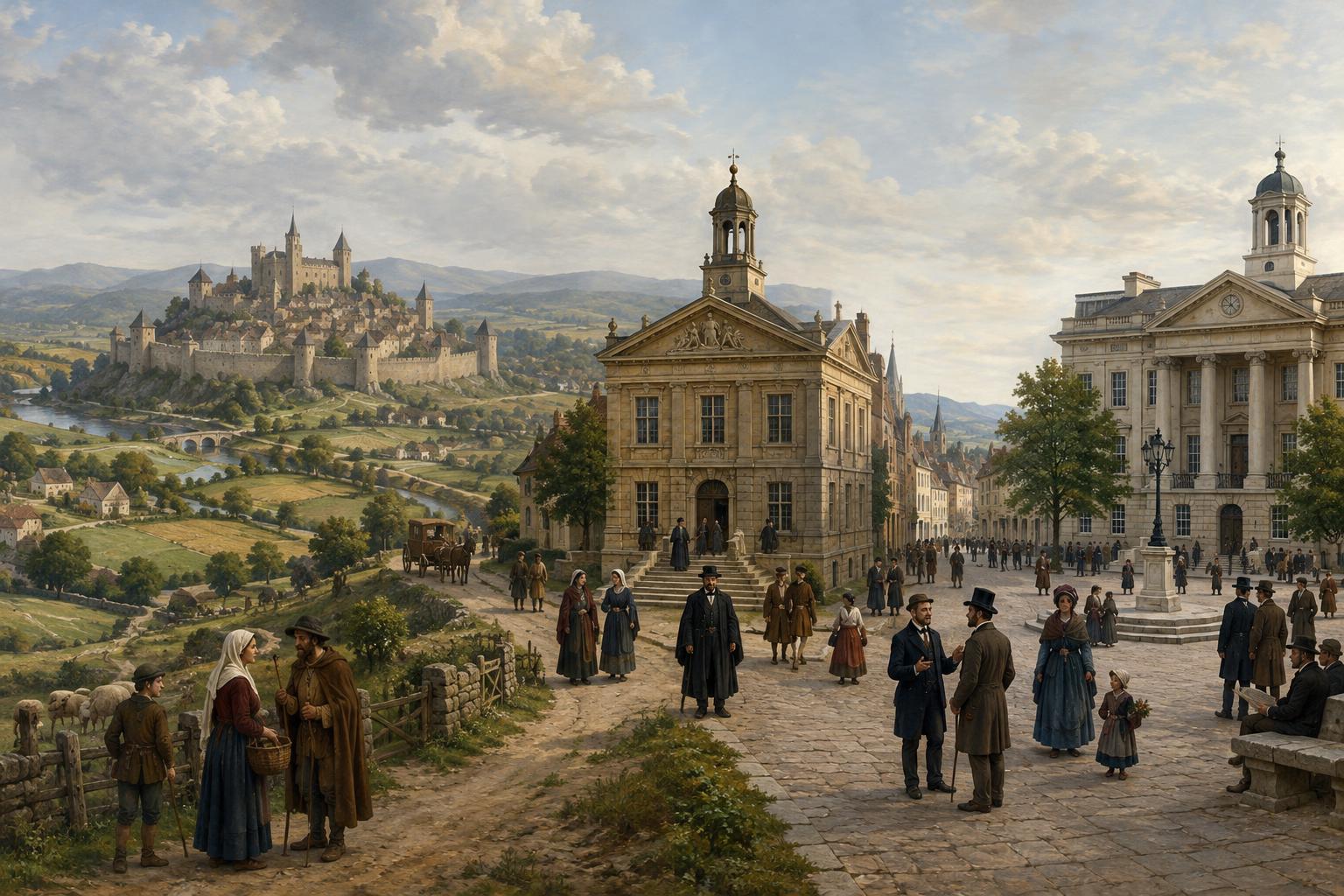
These pressures encouraged clearer job descriptions, reporting lines and procedures. Written rules made it easier for a central government to direct distant offices and review their decisions. They did not guarantee fair treatment: a rule can be applied unevenly, and a well-organized administration can pursue harmful policies. But a more regular workforce gave governments a way to carry out continuing responsibilities without rebuilding their staff whenever political leaders changed.
The shift from patronage to professional appointment
In many countries, reformers criticized patronage systems in which public jobs were distributed for political support or personal connections. Their proposed alternatives included open competition, examinations, defined qualifications and promotion based partly on performance. Such changes spread unevenly, often over long periods. Reform could face resistance from officials and politicians who valued appointment powers, as well as disagreement about which skills an examination could measure.
Professional appointment did not remove politics from government. Elected leaders still set priorities, and senior posts may remain political appointments. The emerging distinction was between deciding public goals and maintaining a staff able to administer programs under established rules. That distinction varies across political systems, but it remains central to the idea of a civil service: public employees serve an office and its lawful duties, rather than the private interests of a particular officeholder.
What changed in everyday administration?
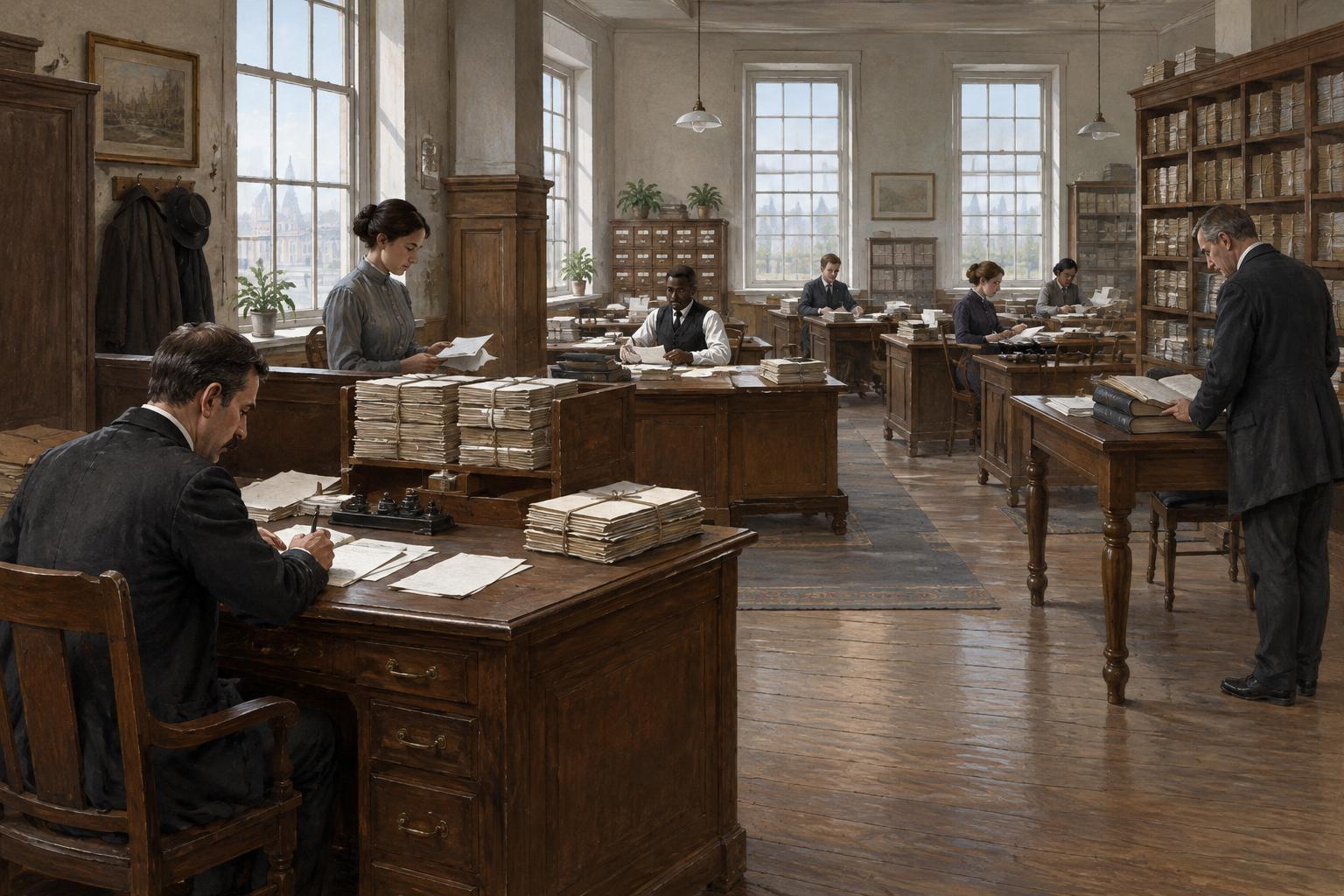
A modern civil service is usually associated with continuing employment, specialized roles and formal procedures for recruitment, supervision and discipline. An official may work under several governments while keeping records, advising on implementation and delivering services. This continuity can help institutions retain knowledge. It can also make responsibility harder to see when decisions pass through many desks, so clear oversight matters.
Professional standards aim to limit favoritism and make similar cases easier to treat consistently. They cannot eliminate judgment: officials must often interpret instructions, manage limited resources and respond to circumstances that rules do not fully anticipate. Training, review and opportunities to challenge decisions can help address mistakes. The balance between administrative independence and democratic control is therefore an ongoing question, not a problem settled by the creation of a permanent workforce.
Why this history matters today
Modern civil services are layered institutions. They retain older concerns about loyalty, trust and local knowledge while using newer tools such as standardized hiring and written procedures. Their histories also differ by country and by level of government. A national ministry, a local authority and a public agency may each divide work between career staff and political leaders differently.
When evaluating a civil service, it helps to ask several separate questions: Who can enter it? How are employees trained and promoted? Who sets their goals, and how can the public hold them accountable? Looking at those questions together avoids two simple assumptions—that professional officials are automatically neutral, or that political appointment always produces responsive government. The history of public administration is, in large part, a history of efforts to combine competence, continuity and accountability.