One legislature or two chambers?
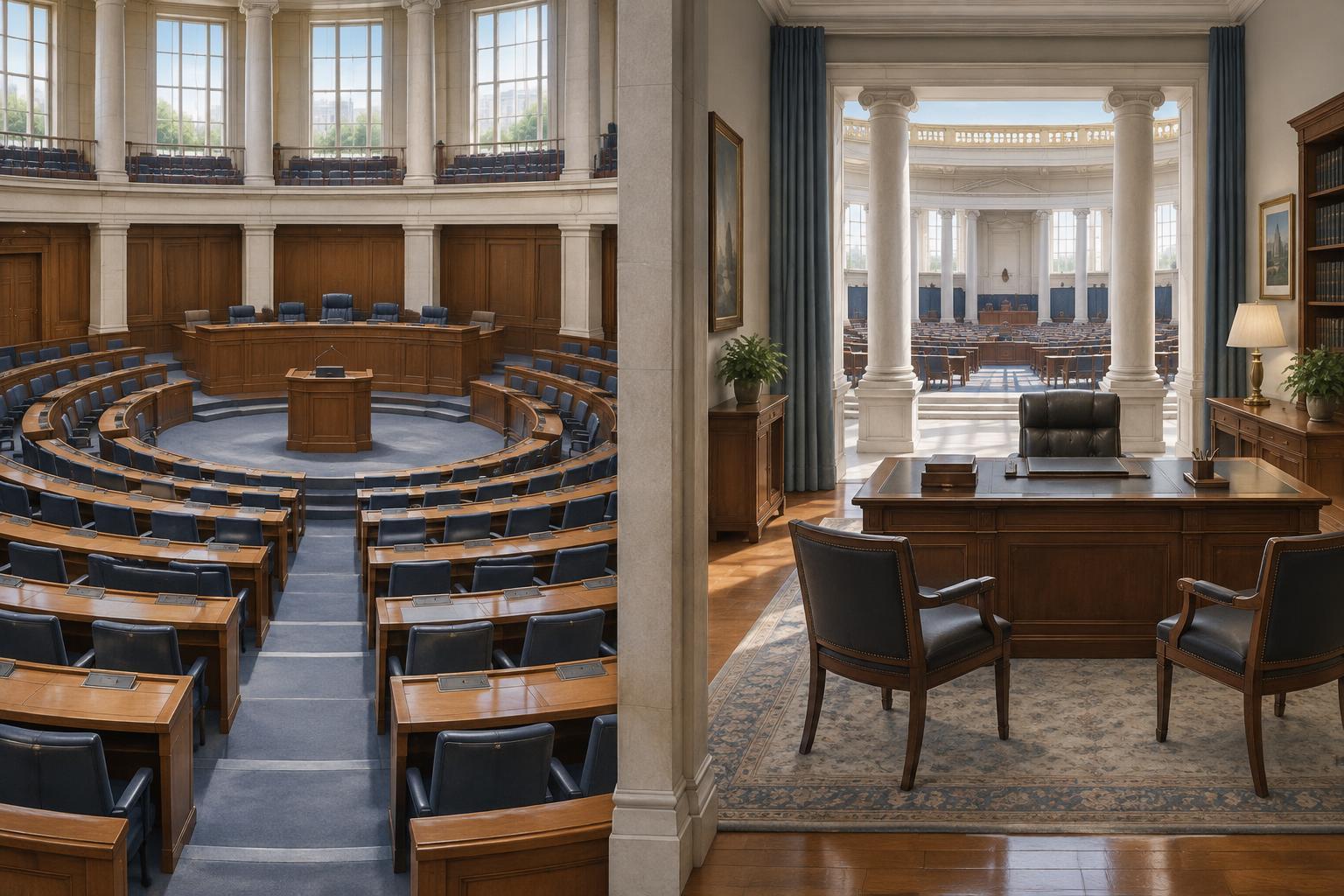
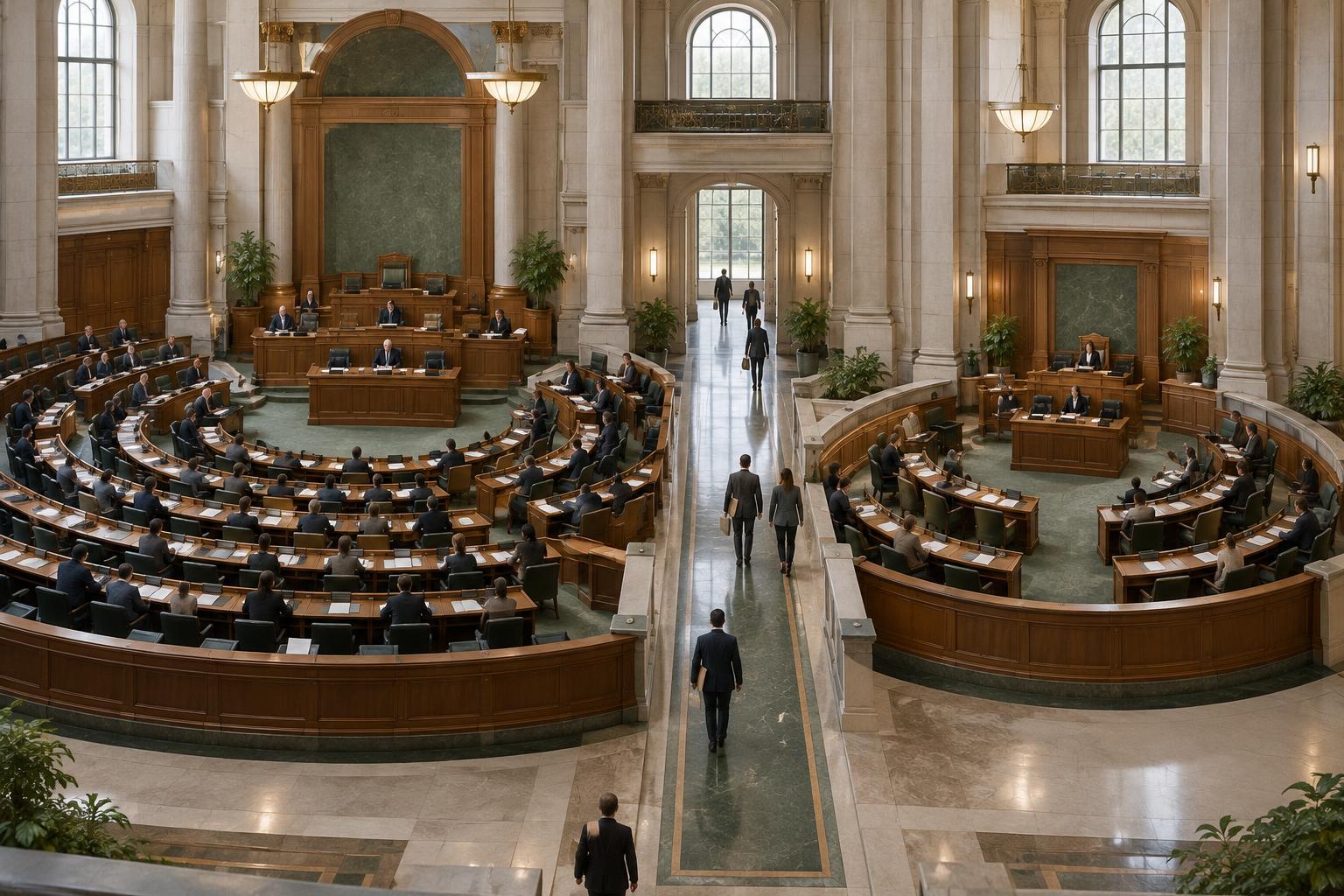
A unicameral legislature conducts its work in one chamber. A bicameral legislature divides that work between two chambers, often called a lower and an upper house. These labels do not, by themselves, describe which chamber has more power. The rules for proposing, amending and approving laws vary across political systems.
The central question is not whether two chambers are inherently better than one. It is what the second chamber is designed to do. It may give a distinct voice to regions, review legislation passed by the first chamber, or require a broader agreement before a proposal becomes law. In other systems, its role is narrower. To understand a bicameral legislature, start with two questions: who sits in each chamber, and what can each chamber decide?
A different basis for representation
A second chamber can represent people on a different basis from the first. One chamber might have seats distributed broadly by population, while the other gives geographic units a more equal voice. This arrangement can make smaller regions more influential than they would be in a chamber based mainly on population. It can also require lawmakers to consider how a national policy would affect different parts of the country.
Not every second chamber represents regions, and even chambers that do so need not have the same powers. Members may be directly elected, indirectly selected or appointed under the rules of a particular system. Those choices affect how independently members can act and how voters can hold them accountable. A chamber chosen in much the same way as the first may add another opportunity for debate without adding a sharply different perspective.
How a bill moves when two chambers are involved
In a unicameral system, a bill must pass the required stages within one chamber before it can proceed under the rest of the lawmaking process. In a bicameral system, both chambers may examine the bill. If they pass different versions, the legislature needs a way to settle the difference. Depending on its rules, one chamber may accept the other's amendments, members may negotiate a common text, or one chamber may have a limited ability to insist on its position.
This extra stage can help expose unclear wording, unintended effects or concerns that received little attention during the first debate. It can also slow decisions, including when there is broad agreement that a problem needs attention. Delay is not automatically a safeguard or a failure: its value depends partly on whether the additional review improves a proposal and whether the system can resolve disagreements.
The importance of powers, not just seats
Two bicameral legislatures can function very differently. In one, both chambers may need to agree to most bills. In another, the second chamber may suggest changes or delay a bill but cannot permanently block it. Special rules may apply to budgets, constitutional changes or appointments. The power to question officials or investigate public administration may also differ between chambers.
These rules shape political incentives. A powerful second chamber can force negotiation across different groups, but it can also create a point of deadlock when the chambers disagree. A chamber with limited powers may be better able to review proposals without routinely stopping them, though its recommendations can be ignored. Formal powers are only part of the picture: party relationships, legislative schedules and public attention can affect how members use them.
How to assess the trade-offs
A single chamber can make responsibility for legislative decisions easier to identify. It may also avoid duplicating debates and procedures. But it has fewer built-in opportunities for a separate group of legislators to reconsider a proposal. A second chamber can provide that additional review or a distinct form of representation, while making it harder to tell voters which institution is responsible for an outcome.
When comparing systems, look beyond the chamber count. Ask how seats are allocated, how members are selected, which bills require approval from both chambers, and what happens when they disagree. Those details explain more than the terms “unicameral” and “bicameral” alone. A second chamber changes lawmaking most when it brings a different constituency or perspective to the process and has enough authority to make that difference matter.