What process tracing tries to explain
Suppose a city council adopts a new rule after months of debate. A timeline can show when meetings and votes took place, but it cannot by itself explain why the rule passed. Process tracing asks how a proposed cause might have produced the outcome. Did a public complaint prompt officials to consider the issue? Did an administrative review change what options seemed feasible? Did negotiations alter the final proposal? Each question points to a possible link in a causal chain.
The method examines a case closely rather than treating the outcome and its possible causes as just two observations. Researchers look for evidence of the steps between them: what people knew, what choices they faced, which procedures mattered and how decisions changed over time. Process tracing can be useful when the outcome is known but the pathway to it remains disputed. Its purpose is not simply to tell a detailed story; it is to assess whether a particular explanation fits the available evidence.
Start with a specific question and a possible mechanism
A workable question identifies an outcome, a proposed cause and the setting in which both occurred. “Why do councils change policy?” is broad. “How did an internal review affect this council’s decision to revise a rule?” gives the researcher something more precise to investigate. The review is the proposed cause, the revision is the outcome and the question concerns the connection between them.
That connection is often called a causal mechanism. For example, a researcher might propose that the review identified a problem, staff presented options, committee members revised a draft and the council adopted it. Each step suggests evidence to seek. Records might establish when the review reached officials; draft versions might show what changed; meeting notes might indicate how members discussed the options. A researcher should state the expected steps before relying on the records that happen to be easiest to find.
Build a timeline without confusing sequence with cause
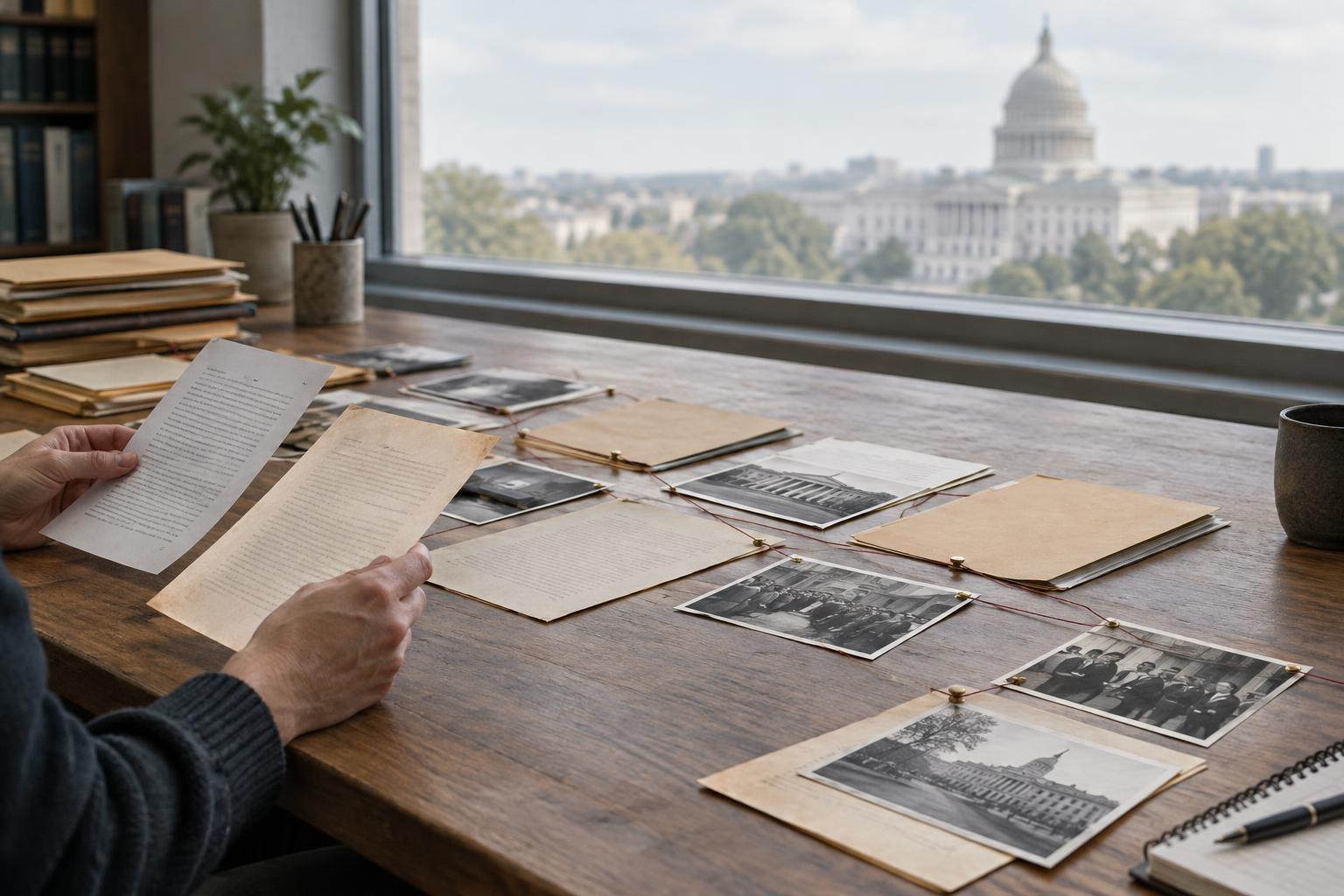
A clear chronology is a useful starting point. It can place proposals, reports, hearings, negotiations and votes in order, while identifying gaps that need further investigation. Dates can also rule out an explanation: a report issued after a decision could not have prompted that earlier decision. Yet an event occurring first is not enough to show that it caused what followed. Two events may occur in sequence because both respond to another development.
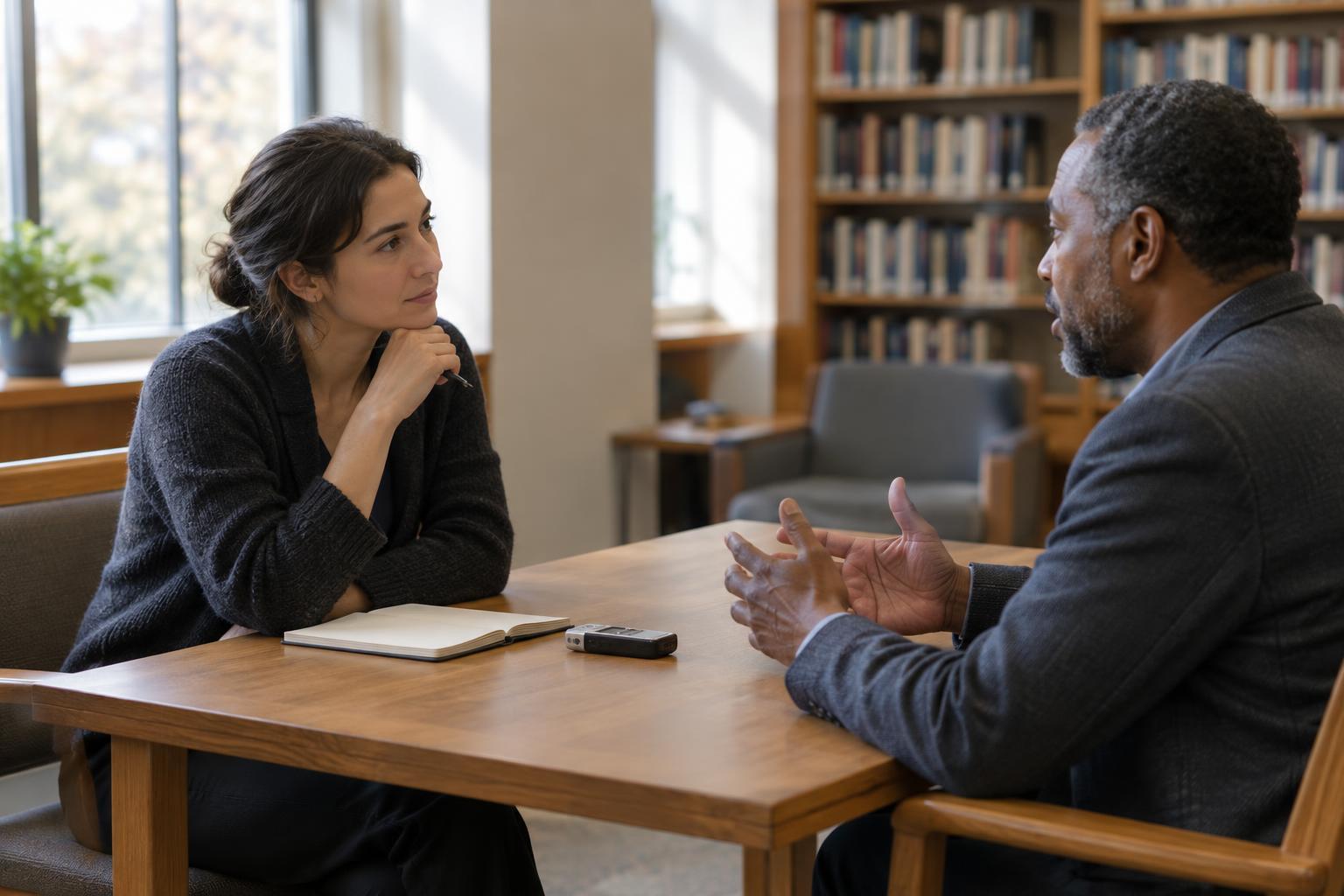
Researchers therefore ask what each piece of evidence actually shows. A meeting agenda may show that an issue was scheduled for discussion, but not whether it changed anyone’s position. A revised draft may show a change in wording, but not who requested it or why. Different kinds of records can help answer different parts of the question. Public documents, archival materials, interviews and contemporaneous statements may be useful, provided their origins and limitations are considered. An interview conducted long after a decision, for instance, may reflect imperfect memory or a later interpretation of events.
Compare explanations and weigh the evidence
A strong investigation does not collect evidence only for its preferred account. If the proposed explanation is that an internal review drove the revision, alternatives might include pressure from residents, a change in leadership or a procedural deadline. Each explanation implies different things a researcher might expect to observe. Comparing those expectations helps prevent a familiar mistake: treating every relevant-looking document as confirmation of one favored story.
Some observations are more informative than others. If a claim requires officials to have received a report before a key vote, evidence that they did not receive it may seriously weaken that claim. Evidence that the report was delivered keeps the claim possible, but does not establish that it influenced the vote. A record showing officials explicitly using its findings to justify a particular revision would offer stronger support for that link, though its context would still matter. The goal is to judge how well the full set of observations distinguishes among competing explanations, not to count supporting documents.
Report conclusions with their limits
Process tracing often encounters incomplete records. Informal conversations may leave no documentary trail, participants may disagree and public statements may not reveal private reasons. Researchers can make their account more credible by identifying missing evidence, explaining why a source was considered reliable or uncertain and distinguishing observed events from inferences. If a crucial step cannot be checked, the conclusion should say so rather than fill the gap with an assumed motive.
Findings from one case can clarify how a political process may work, but they do not automatically show how often the same pathway occurs elsewhere. A careful conclusion describes the explanation that best fits this case, the alternatives that remain plausible and the evidence that would change the assessment. That makes process tracing valuable beyond academic research: it offers a disciplined way to ask not just what happened in civic life, but how we know why it happened.