Two different jobs
A press release is a statement prepared for public distribution by an organization, such as a government office, company, advocacy group or research institution. Its purpose is to announce information and present that organization’s account of it. A news report is produced by a journalist or newsroom for an audience. Reporting may start with a press release, but it can also involve interviews, records, observation and efforts to check competing accounts.
The distinction is not a simple test of truth. A release may accurately describe an announcement, and a reported article may contain errors. The useful question is who supplied each piece of information and what, if anything, someone else did to verify it. A story can combine firsthand reporting with statements that remain unconfirmed.
Trace a claim to its source
Begin with the specific claim you want to understand. If an article says an agency will change a service, look for wording that identifies the source: “the agency announced,” “according to a statement,” or “a spokesperson said.” Those phrases tell you where the claim came from, not necessarily whether the change has taken effect. If the article links to a release or public document, compare the wording. Does the article clearly distinguish the announced plan from a completed action?
Pay attention to what the source is positioned to know. An agency can describe its own proposal; a resident can describe an experience with a service; a researcher can explain a method. Each perspective can be useful without settling every question. When an article states a conclusion without identifying its basis, ask what evidence would support it and whether that evidence appears in the piece.
Look for work beyond the announcement
Independent reporting does not require a journalist to ignore a press release. It means the article adds meaningful scrutiny or context rather than merely repeating supplied claims. Signs might include a review of the underlying policy text, questions put to officials, interviews with people affected, or an explanation of what remains uncertain. The most useful addition depends on the claim: a budget figure calls for different checking than a description of how a program works.
More sources do not automatically mean stronger reporting. Several people may be repeating the same release, and a quoted response may not address the main claim. Notice whether a source offers firsthand knowledge, relevant expertise or a distinct interpretation. Also notice whether the article explains limits: an announced goal is not an observed outcome, and one person’s experience cannot establish how everyone is affected.
Recognize supplied material in a finished story
A release and a news article may share facts, quotations and technical wording. That overlap can be appropriate when the release contains an official announcement or a quotation from a named official. But long passages that closely follow the release, especially its sequence of claims and promotional language, may indicate that little was added. Compare a few distinctive phrases if both texts are available, while remembering that standard names and descriptions will naturally match.
Watch for words that evaluate rather than describe: “groundbreaking,” “widely welcomed” or “a major success” may reflect the announcing organization’s view unless the article provides a basis for them. A headline can also make a proposal sound final. Read the body to see whether decisions are pending, conditions apply, or the article attributes the characterization to a source. Attribution lets readers separate what was asserted from what was established.
Use a quick reading routine
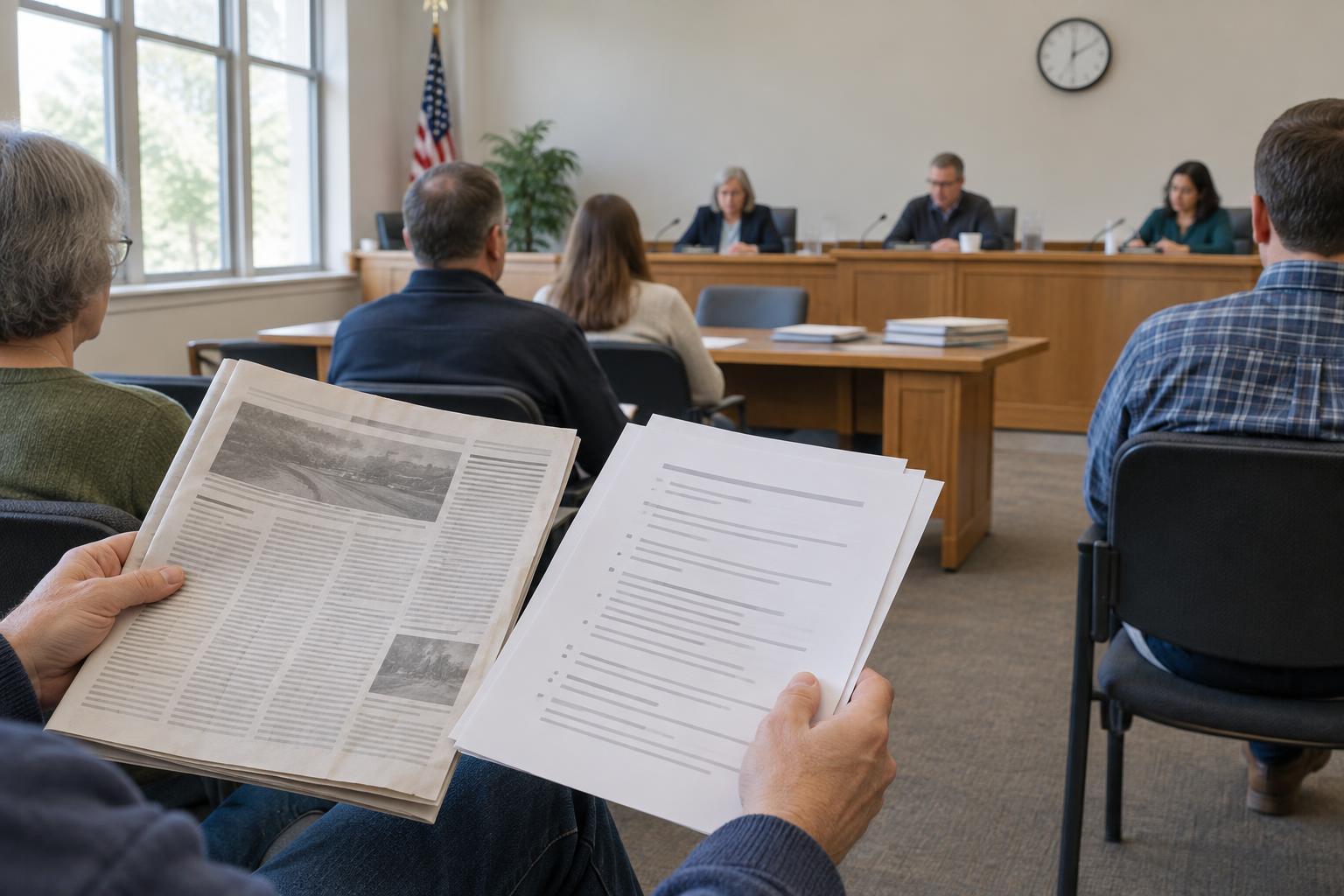
For a civic news item, try three questions. First, what happened: was there a decision, a proposal, a prediction or simply an announcement? Second, who knows: which claims come from the institution involved, and which come from documents or people outside it? Third, what was checked: does the article show how it tested a consequential claim or acknowledge that it could not?
This routine need not turn every article into an investigation. A short item may reasonably report that an organization issued a statement and leave deeper questions for later coverage. The key is to read it at that level. When a claim matters to your understanding of a public issue, follow its attribution, distinguish plans from outcomes, and keep any unanswered questions open.