What an interview can tell you
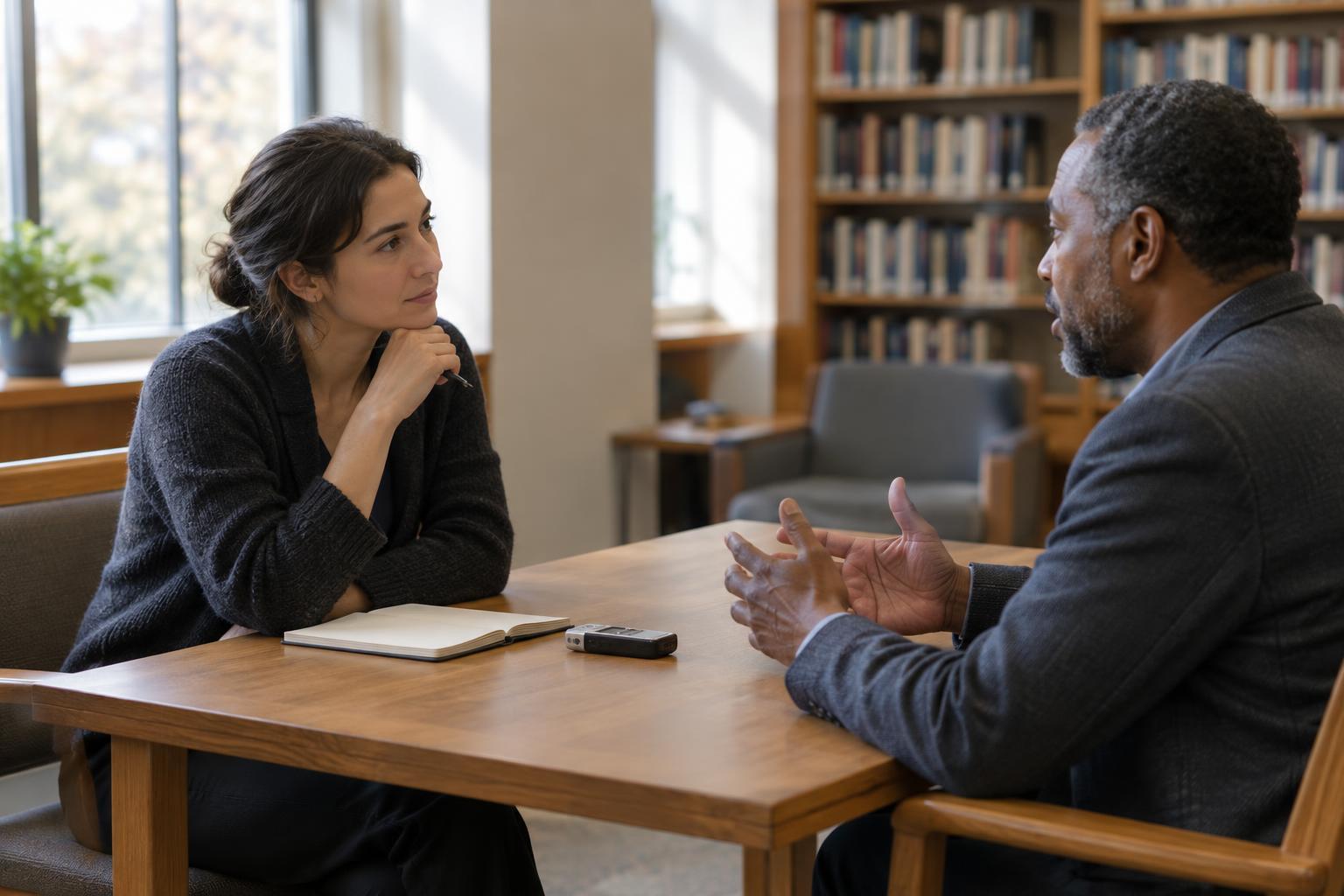
A political interview is a conversation used to learn about a person’s experiences, views or account of a public issue. A researcher might ask a local official how a decision was made, a community organizer how residents raised concerns, or a voter what shaped their understanding of a proposal. Interviews are especially useful when the question concerns meaning or process: how people describe a problem, which choices they remember and why they say they acted.
An interview answer is evidence of what a person said in a particular setting. It is not automatically evidence that every event happened exactly as described. Memories can be incomplete, and participants may have different information, interests or reasons for emphasizing certain details. This does not make their accounts useless. It means the researcher should match each conclusion to what the interview can reasonably support.
Choose participants to fit the question
Start with a focused research question before deciding whom to interview. If you want to understand how a public meeting works in practice, consider people with different roles in that process, such as attendees, organizers and officials. If you want to study how residents interpret a policy, seek perspectives from people affected in different ways. The aim is not simply to collect as many conversations as possible, but to hear from people who can speak to the question.
Be clear about how participants were found. Volunteers recruited through a single group may share experiences or viewpoints that others do not. People with public roles may offer insight into formal procedures while knowing less about informal experiences outside their work. Interviewees do not necessarily represent everyone in their community or institution. Recording who was approached, who participated and which perspectives may be missing helps readers judge the reach of the findings.
Write questions that leave room for answers
Good interview questions invite participants to explain events in their own terms. Instead of asking, “Why did the council ignore residents?”, ask, “How were residents’ views considered during the decision?” The first version assumes a conclusion; the second leaves open what happened. Questions about specific experiences often produce clearer answers than broad requests for an opinion on an entire political system. A useful sequence begins with context, moves to concrete examples and then asks about interpretation.
Prepare follow-up prompts, but do not treat the question list as a script that cannot change. “Can you walk me through what happened next?” may clarify a sequence. “What do you mean by ‘consultation’?” may reveal that the researcher and participant use the same word differently. Give participants time to think, avoid combining several questions into one, and distinguish a request for a remembered event from a request for an opinion or estimate.
Document the conversation responsibly
Before beginning, explain the purpose of the interview, how the answers may be used and whether the participant will be identified. Ask for permission before recording. If a participant does not want to answer a question, move on. Political subjects can involve relationships, employment or other sensitive circumstances, so a researcher should avoid promising confidentiality that their practices cannot protect. Clear expectations help both sides understand the conversation.
Notes should separate the participant’s words from the researcher’s observations and interpretations. If a recording is permitted, check any quotation against it before use; otherwise, do not present reconstructed notes as exact speech. Keep track of the interview context, including the participant’s relevant role and any circumstances that might affect the exchange. A rushed conversation in a public setting, for example, may offer a different opportunity for reflection than a longer private discussion.
Interpret patterns without overstating them
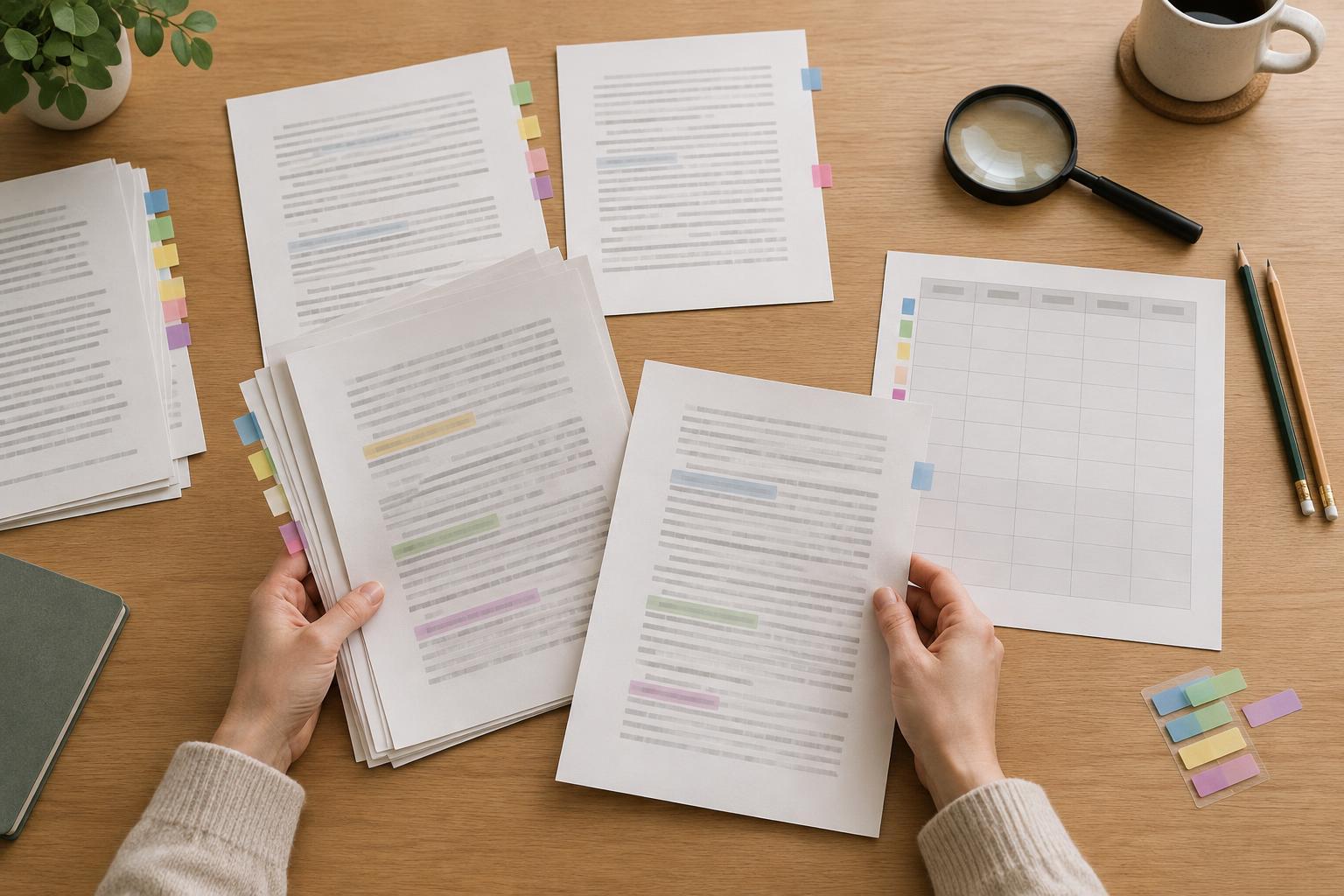
After the interviews, look for recurring themes, differences and unexpected answers. Define what each theme means and check whether the examples grouped under it actually fit. A striking quotation can illustrate a point, but it cannot establish how common that view is. Likewise, disagreement among participants may be an important finding rather than a problem to smooth away. Consider whether their different roles, experiences or uses of key terms help explain it.
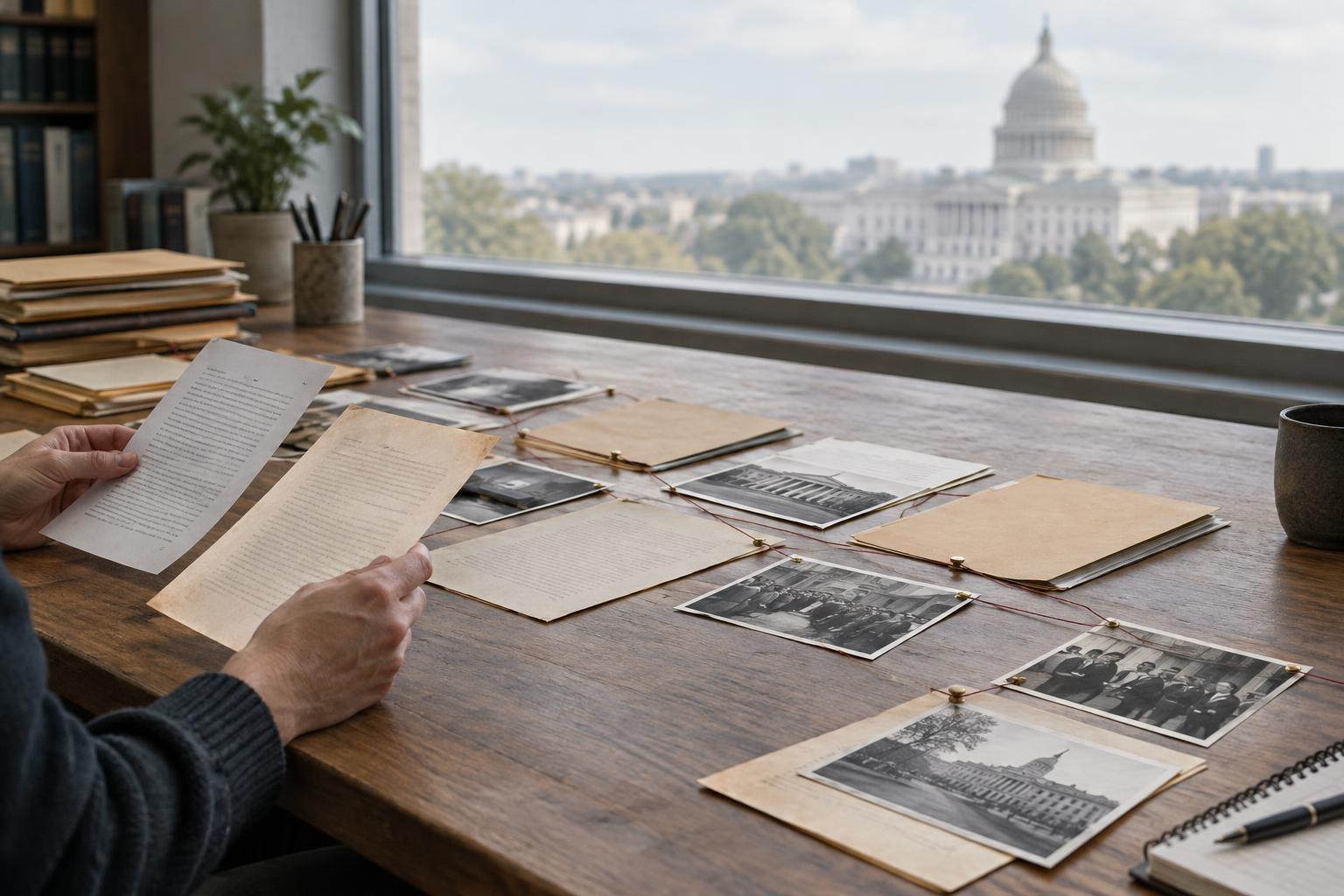
Where possible, compare interview accounts with other relevant material, such as meeting records, policy documents or observations. If accounts conflict, describe the conflict rather than choosing the most vivid story by default. In the final explanation, distinguish what participants reported from what other evidence confirms and from what remains uncertain. The strongest use of political interviews is often not a sweeping claim about what everyone thinks, but a careful account of how particular people understand a public issue.