A proposal enters the legislature
A bill is a proposed law placed before a legislature for consideration. It may seek to create a rule, change an existing law or repeal one. Ideas for bills can come from elected representatives, governments, public agencies, civic groups or members of the public. Who may formally introduce a bill depends on the political system. In some systems, most proposals come from the government; in others, individual legislators introduce many of them.
Before introduction, the proposal is usually drafted as legal text. Its sponsors may also prepare an explanation of the problem it addresses and how the proposed rules would work. Introduction gives the bill an official place in the legislature’s business, but it does not mean that members support it or that it will receive a final vote. Legislatures often have more proposals than they can consider in detail, so scheduling and procedural rules help determine which bills advance.
Committees examine the details
Many legislatures send bills to a committee that deals with the relevant subject, such as education, transport or public spending. Committee members can examine the wording, ask questions and consider how a proposal might affect existing law and public administration. Depending on the rules, they may hear from officials, specialists and people who could be affected. Such hearings can inform debate, but they do not settle every disagreement about a bill.
Committees may recommend changes, known as amendments, before reporting a bill to the wider legislature. They may also recommend that it proceed without changes, delay further work or decline to advance it. The committee’s powers vary: in some places it can substantially reshape a proposal, while elsewhere the government or the full chamber has greater control over the text. For a reader following a bill, the committee stage is often where its broad aim becomes a more detailed set of provisions.
The full chamber debates and votes
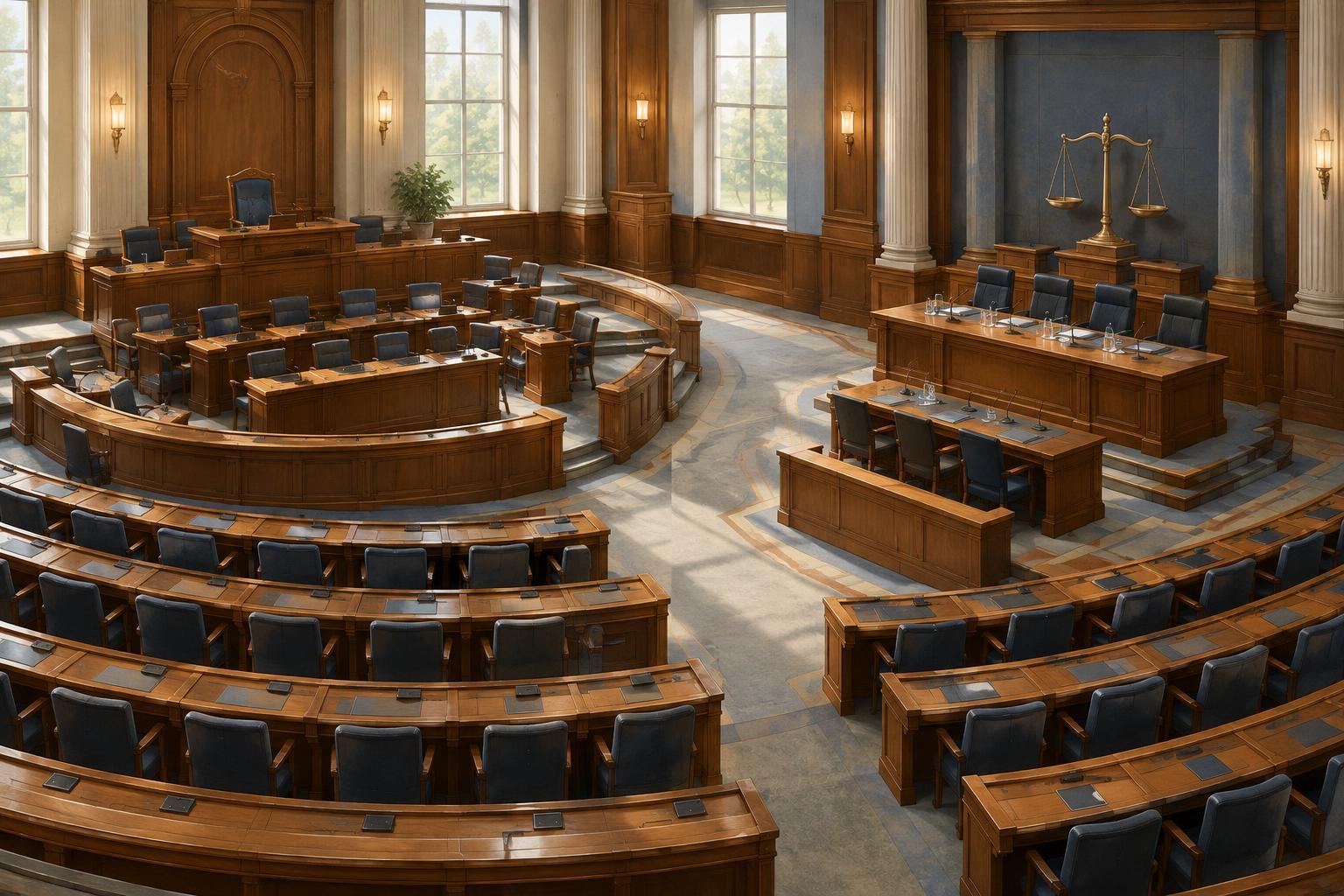
If a bill reaches the floor, the full chamber considers it under its debate and voting rules. Members may discuss its general purpose, examine specific provisions and propose further amendments. Some legislatures separate these steps into several readings or stages; others organize them differently. The amount of debate can also depend on scheduling decisions and rules that limit speaking time or amendments.
A bill must meet the voting threshold required at each stage. An ordinary bill may need a simple majority of those voting, but particular types of legislation can face additional requirements. An approved amendment changes the text that members will consider next, so a bill’s final wording may differ considerably from the version first introduced. A successful vote in one chamber is an important step, not necessarily the end of the process.
A second chamber may review the bill
In a bicameral legislature, an approved bill normally goes to a second chamber. That chamber may debate it, refer it to a committee, propose amendments and vote on it. The two chambers do not always have equal powers: one may have a limited role for certain bills, especially those concerning public finances. In a unicameral legislature, there is no second-chamber stage, though other review procedures may still apply.
Where both chambers must approve the same text, differences between their versions have to be resolved. They might exchange amendments, negotiate a compromise or use a designated joint process. Each chamber may then need to approve the agreed wording. If they cannot reach agreement, the bill may fail or remain unfinished. This stage shows why approval of a proposal’s general idea is different from agreement on the precise legal text.
Final approval is not always the same as taking effect
After the legislature completes its work, a bill may go to a head of state, president, monarch or other authority for a final formal step. The role of that authority varies widely. In some systems, approval is largely formal; in others, the executive can refuse approval or return a bill for reconsideration. Where a veto exists, the legislature may have a way to override it, often under a higher voting threshold. These possibilities are features of particular constitutional arrangements, not universal stages.
Once enacted, a law is typically published in an official form so people can identify its authoritative text. It may take effect immediately, on a specified date or only after further steps. Public agencies may need to write implementing rules, prepare guidance or change their procedures. Courts may later interpret the law or assess whether it is consistent with higher law. To understand a bill’s status, it helps to ask three separate questions: Has the legislature approved it, has it been enacted, and are its provisions in force?